The Kitchen Cabinet Cure-All?
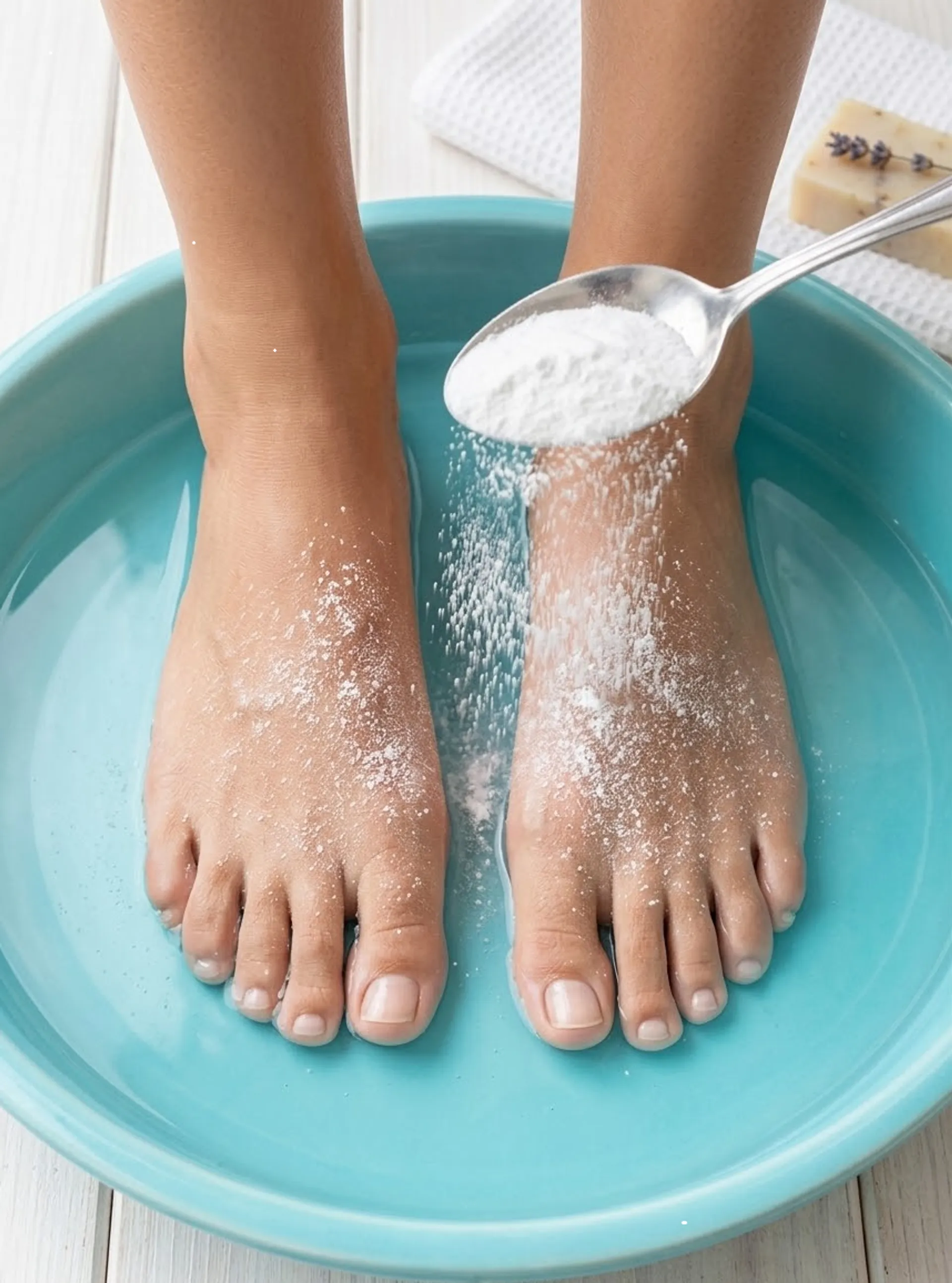
“Soak your feet in baking soda water and it’ll fix the smell, soften calluses, and even treat athlete’s foot.”
You’ll find this advice on TikTok, YouTube, Reddit, and wellness blogs everywhere. It’s made with something already in your kitchen, so it feels easy and safe. Cheap, convenient, and “natural” — what’s not to trust?
But is it actually that simple?
Some of it is true, but some of it can also backfire. The problem is that most online sources highlight the benefits while skipping over the risks.
Let’s break it down.
The Odor Relief Is Real
The main culprits behind foot odor are isovaleric acid and propionic acid — acidic compounds produced when bacteria on your skin break down amino acids in sweat.
Baking soda (sodium bicarbonate) has a mildly alkaline pH of about 8.3. When it meets these acidic odor compounds, a neutralization reaction occurs. Rather than masking the smell with fragrance, it chemically reduces the odor-causing substances.
For short-term odor control, baking soda can help. That part is fairly well supported.
However, reducing odor and sufficiently suppressing the bacteria that cause it are two different things. That’s why the deodorizing effect tends to be temporary.
Repeated Use Can Stress Your Skin Barrier
After a baking soda foot soak, your skin may feel noticeably softer. It seems like it’s working. But that immediate softening effect can come at a cost if repeated over time.
The alkaline solution causes keratinocytes (skin cells) to swell and loosens the bonds between them. The surface feels smoother, but underneath, a few things may be happening:
1. Pressure on the Acid MantleHealthy skin maintains a slightly acidic pH of 4.5–5.5, which helps defend against microorganisms. Alkaline soaking can disrupt this protective layer, and it may take several hours for skin pH to return to normal.
2. Reduced Ceramide ProductionCeramides are key lipids in the skin barrier. The enzyme responsible for producing them (β-glucocerebrosidase) is most active in acidic conditions. When pH rises, this enzyme becomes less effective, potentially slowing barrier repair.
3. Increased Moisture Loss (TEWL)When the barrier is compromised, transepidermal water loss (TEWL) can increase significantly. Over time, this may lead to drier skin and — paradoxically — thicker, rougher calluses.
A recurring pattern in online forums and skincare communities: people report that their feet felt “amazing for the first few days,” then became noticeably rougher a week later. When the barrier is repeatedly stressed, the skin may respond by building up even more callus as a protective measure.
Athlete’s Foot Is a Separate Issue
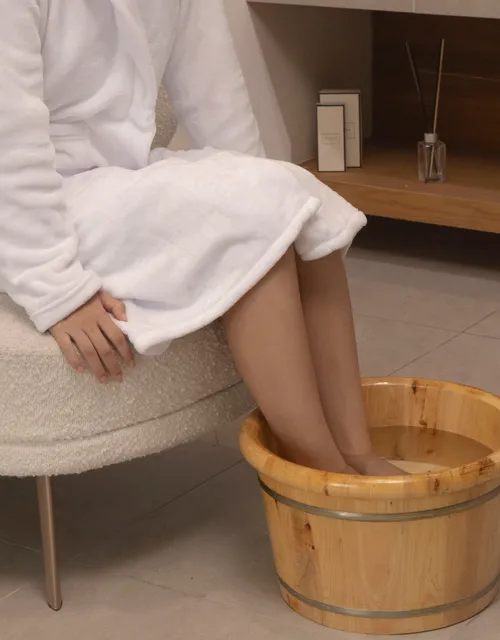
There’s no shortage of articles claiming baking soda helps with athlete’s foot. It’s not entirely wrong, but important context is missing.
A 2013 study published in PubMed did show that sodium bicarbonate had antifungal activity in laboratory settings (in vitro). The Cleveland Clinic also notes that baking soda may inhibit fungal growth.
But as the Cleveland Clinic also points out, inhibiting fungal growth in a lab and treating athlete’s foot on human skin are different things. Repeated alkaline exposure can dry the skin out and may actually make it more vulnerable to infection.
In short: some antifungal activity has been reported at the laboratory level, but it’s not strong enough evidence to rely on baking soda as a treatment for athlete’s foot.
If You Have Diabetes, Extra Caution Is Needed
People with diabetes often have reduced sensation in their feet due to peripheral neuropathy, along with slower skin healing. In this context, even minor skin damage from alkaline soaking could potentially lead to ulcers or secondary infections. Diabetes UK advises that prolonged foot soaking itself may increase the risk of skin breakdown.
For those with eczema, the picture is more nuanced. Some official sources, including the National Eczema Association, mention baking soda baths as a potential option for itch relief. At the same time, dermatological literature broadly recommends avoiding alkaline cleansers for eczema-prone skin. Repeatedly exposing an already compromised acid mantle to alkaline conditions may do more harm than good.
The key takeaway: baking soda foot soaks are not an everyday cure-all. If you have sensitive skin or an underlying condition, it’s worth consulting a healthcare professional first.
Mixing It with Vinegar Reduces the Expected Effect
One more thing. You may have seen advice online to combine vinegar and baking soda in the same foot soak for a “double effect.”
Think back to basic chemistry. When you mix an acid (vinegar) with a base (baking soda), a neutralization reaction occurs. The fizzing looks dramatic, but it’s simply carbon dioxide being released.
Once the reaction is complete, what remains is a sodium acetate solution — with much of the original acidic and alkaline properties reduced. Much of the expected vinegar effect and baking soda effect has been reduced by the neutralization reaction.
The bubbling makes it look like something powerful is happening, but chemically, the two ingredients have mostly offset each other.
What Are the Alternatives?
The core limitation of baking soda is that it’s a single alkaline ingredient. It relies on one chemical reaction — deodorizing — without addressing moisturization, soothing, or barrier protection.
Ingredients with stronger evidence in dermatological foot care take a different approach:
| Baking Soda | Urea | AHA / BHA | |
|---|---|---|---|
| Exfoliation method | Alkaline swelling (physical) | Moisture binding + softening | Loosening intercellular bonds |
| Skin barrier | May stress with repeated use (pH rise) | Generally gentle on barrier | Depends on concentration and frequency |
| Deodorizing | Strong | Low | Moderate |
| Long-term use | Dryness and roughness concerns | Relatively stable | Suitable at appropriate concentration and frequency |
Beyond these established ingredients, traditional herbal ingredients offer yet another approach.
Peony (paeoniflorin) has been studied for its anti-inflammatory properties. Licorice root contains triterpenes and flavonoids that have been researched for anti-inflammatory and antioxidant effects. Cnidium, known more precisely as Ligusticum chuanxiong, includes compounds such as ligustilide that have been studied in relation to circulation.
Some of these herbs also appear in traditional Korean medicine texts, where herbal soaking practices were used as part of everyday body care.
What these ingredients have in common is a multi-compound approach: aiming to support soothing, antioxidant, and circulatory functions without dramatically shifting skin pH. Head-to-head clinical comparisons with baking soda are still limited, but the difference in approach — single alkaline agent versus multi-herb, soothing-focused formulation — is clear.
At a Glance
| Expected Benefit | Reality | Verdict |
|---|---|---|
| Foot odor relief | Acid-base neutralization provides immediate effect | ✓ Effective short-term |
| Callus softening | Alkaline swelling, may stress barrier with repeated use | △ Short-term only |
| Athlete’s foot treatment | In vitro evidence only, clinical support lacking | ✗ Insufficient evidence |
| Daily use | Dryness and thickening concerns | ✗ Use with caution |
| Combined with vinegar | Neutralization reduces each ingredient’s effect | ✗ Diminished benefits |
Baking soda foot soaks are fine for occasional, short-term odor relief. But as a weekly foot care routine, they may not be the best choice. The immediate softening effect comes with a trade-off that can leave feet drier and rougher over time.
What matters more than stripping and softening is a foot care approach that doesn’t put unnecessary stress on your skin. If you’re looking for something centered on moisturization, soothing, and circulation, herbal-based foot care products may be worth exploring.
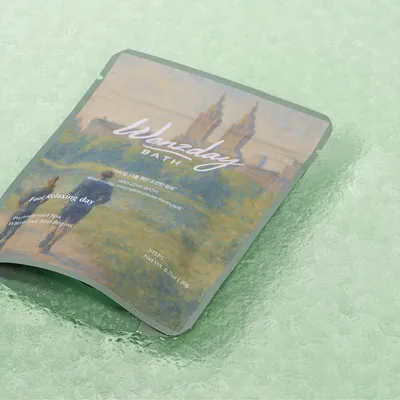
OVER THE WENZDAY offers Foot Healing Day and Foot Relaxing Day as an alternative approach — focused on soothing, moisturizing, and supporting circulation rather than aggressive exfoliation. If that sounds closer to the kind of foot care you want, it may be worth exploring. You might also enjoy our take on the truth about vinegar foot soaks.