The Holiday That Looks Like Folklore Until You Read the Lab Results
In the fifth lunar month, on the day yang energy was thought to reach its peak, Koreans used to do something specific. They boiled a plant called sweet flag and washed their hair in the water. They cut mugwort and motherwort from the hillsides. They wore the herbs, ate the herbs, hung them at the doorway. Then the day ended and the herbs went away for a year.
To Western eyes the practice reads as folklore. Atmospheric, a little quaint, the kind of cultural detail a guidebook would mention in passing. Yang energy peaking, the lunar calendar, ritual hair-washing. It is hard, in English, to read those words and not file them under tradition.
The herbs Korea chose for that one day were not chosen arbitrarily.
Yang at Its Peak, Monsoon at the Door
The holiday is called Dano (단오). It falls on the fifth day of the fifth lunar month, sometimes called surit-nal (수릿날) or cheonjung-jeol (천중절), the day yang energy is held to reach its annual peak. In 2026 it falls on June 19th. UNESCO inscribed the Gangneung version of the festival on its Intangible Cultural Heritage list in 2005.
The calendar context is the part Western readers usually miss. The fifth lunar month sits at the edge of monsoon. The air thickens. Pre-modern Korea read this transition as the most dangerous stretch of the year, and the classical commentaries described it plainly: epidemics ride the monsoon. The first half of the fifth month was when those epidemics began to arrive.
Dano answers the arrival. The peak of yang energy was the day herbal efficacy was thought to be at its highest, so the day became the day to harvest, to apply, and to circulate the herbs through the body before the rains. The festival is not really about the festival. It is about the timing.
Sweet Flag, and What the Donguibogam Said
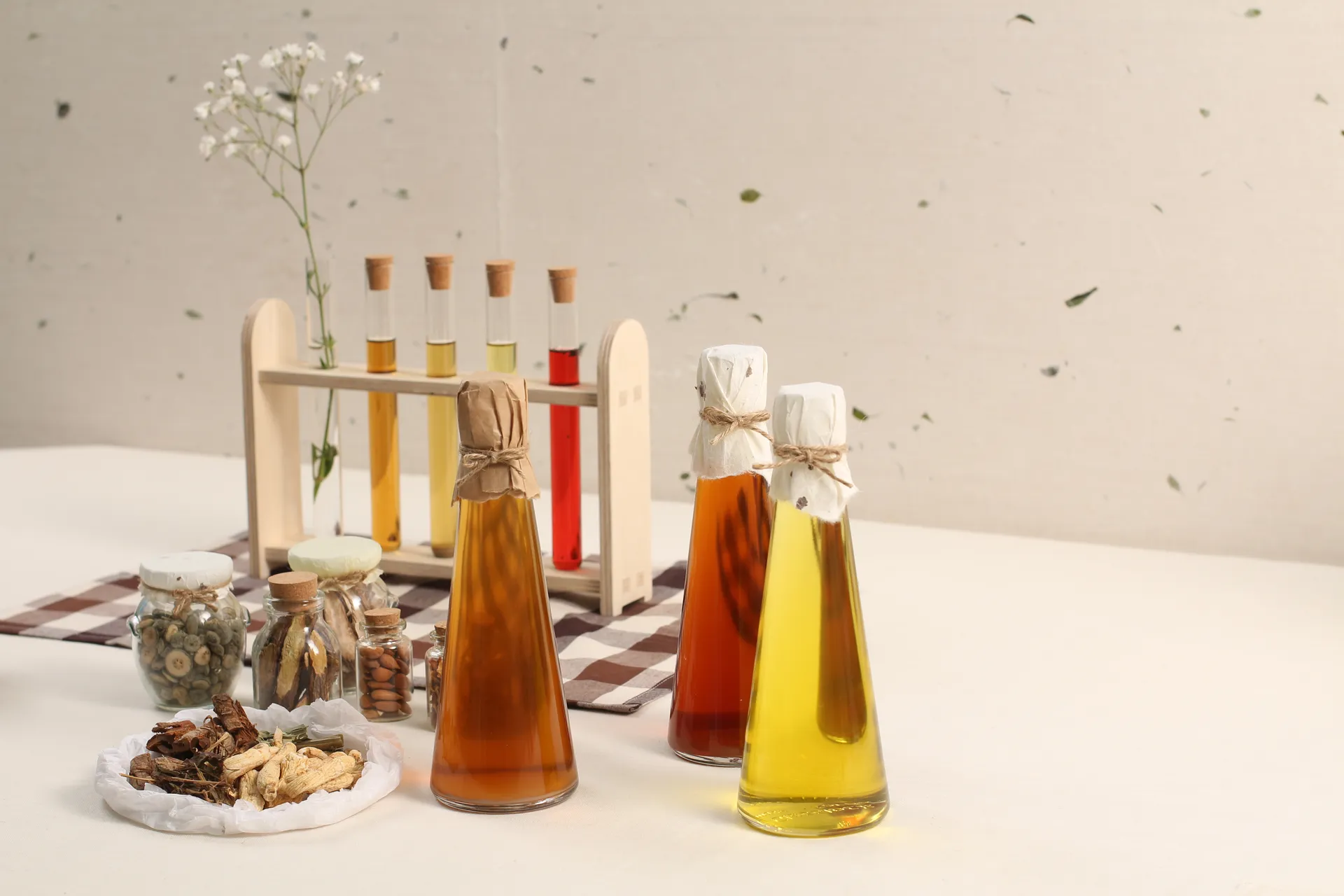
The plant at the centre of the day is changpo (창포), sweet flag, Acorus calamus. The traditional practice is to boil the leaves and roots, let the water cool slightly, and use it to wash the hair. The aim, in the tradition’s own words, is to keep the hair from falling, to clear the scalp, and to keep illness from settling at the head.
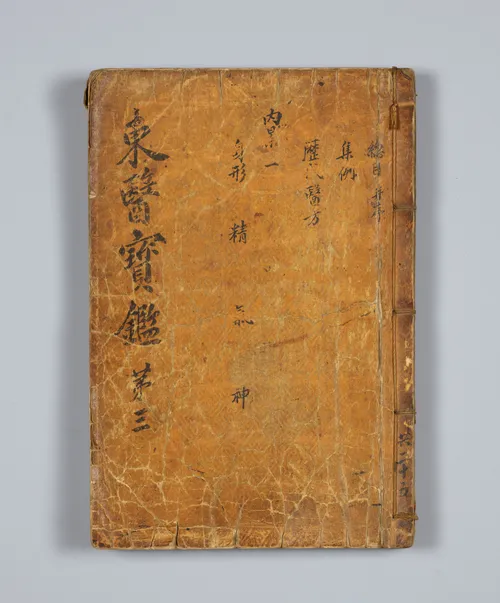
The Donguibogam, the seventeenth-century Korean medical compendium that UNESCO added to its Memory of the World register, describes sweet flag in characteristic plain language. Its nature is warm. Its taste is bitter. It has no toxicity. It opens the heart and mind, protects the five organs, brightens the eyes and ears, clears the voice, and expels parasites from the gut. Read in a modern register, that sentence is a list of antimicrobial and circulatory claims sitting on top of a folk hair-wash.
The modern register has since arrived. Researchers analysing Korean Acorus calamus essential oil identified its principal active components as α- and β-asarone, methyl isoeugenol, and cyclohexanone, present in significant concentrations across both leaf and rhizome. In vitro studies of the same essential oil show measurable antimicrobial activity against the bacteria and fungi most associated with scalp irritation and seasonal skin infection. Korean herbal labs have replicated the result across populations of the plant. The folk practice, read forward through current chemistry, was a once-a-year antimicrobial scalp rinse, timed to the week the monsoon was about to make scalp infection most likely.
The grandmothers were not wrong. The lab arrived later.
One Day, Three Ways to Bring the Herb to the Body
Korea was not alone in marking the fifth of the fifth, but it was specific in how it brought sweet flag to the body. In Japan, the same plant on the same day became 菖蒲湯 (shōbu-yu), a full bath. Whole stalks were placed in the tub and the body was immersed. In China, the day was the one to harvest medicinal plants of all kinds, recorded in the Jingchu Suishiji nearly two thousand years ago.
Hair, bath, harvest. Three civilisations agreed on the plant and the date. They disagreed on which surface of the body the plant should touch. Korea chose the scalp.
The reasoning is consistent with the broader pattern of hanbang practice. Heat is read as rising, and the head is the address where excess heat and incipient inflammation are thought to gather first. Treating the scalp at the calendar’s hottest and dampest threshold was, in this reading, a preventive correction at the most vulnerable point. The Japanese full-body soak addresses the same logic at a different scale. The Chinese harvest brings the herbs into the year’s cabinet for use over the following months.
Mugwort and Motherwort, the Two That Travelled With Sweet Flag
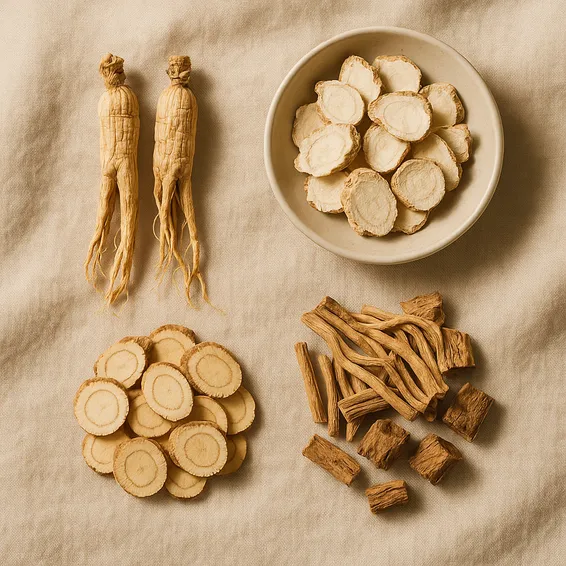
Sweet flag is the holiday’s signature plant, but it travelled with two others. Mugwort (쑥, Artemisia princeps) was cut on the morning of Dano, when its essential oils were thought to be at their highest concentration. Modern studies of mugwort essential oil confirm broad-spectrum antimicrobial activity, particularly against food-borne pathogens, consistent with mugwort’s long folk use in keeping kitchens and bodies clean through the wet months. Motherwort (익모초, Leonurus japonicus) was harvested the same day for women’s health applications, where modern research has slowly accumulated evidence for menstrual and cardiovascular benefits.
The pattern across all three plants is the same. The holiday gathered the herbs at the moment the calendar said they were strongest. It found a way to bring them into the body before the season turned. It then put them away for a year. The repetition was the practice. The annual rhythm was the discipline.
What Dano Leaves Behind
The holiday survives. Gangneung, Chungju, and the Seoul Han River festival all run sweet flag hair-washing booths each year. Three weeks from now, in June 2026, children at those festivals will dip their hair in calamus water on a hot afternoon. The continuity is partly cultural, partly stubborn.
The deeper continuity is quieter. The principle Dano encoded, that the body benefits from herbal correction at the transition into the difficult season, is not unique to the lunar fifth month. It is the same principle that organises the daily herbal foot soak in winter, the longer salt baths in autumn, the steam practices through summer. Dano was simply the calendar’s most concentrated expression of it. The festival is once a year. The frame underneath the festival runs all twelve months.
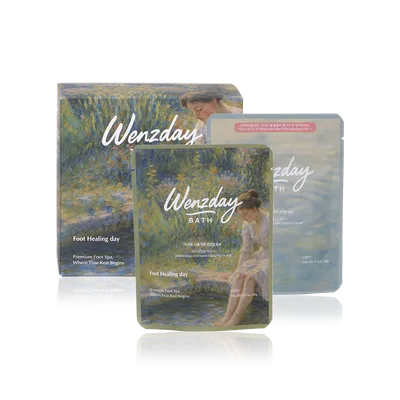
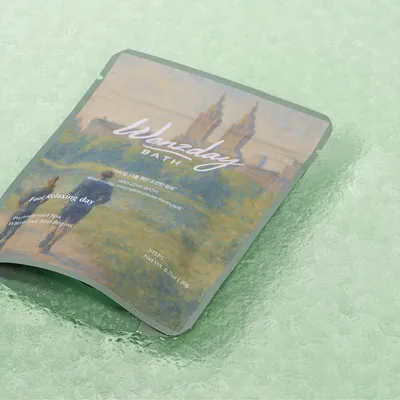
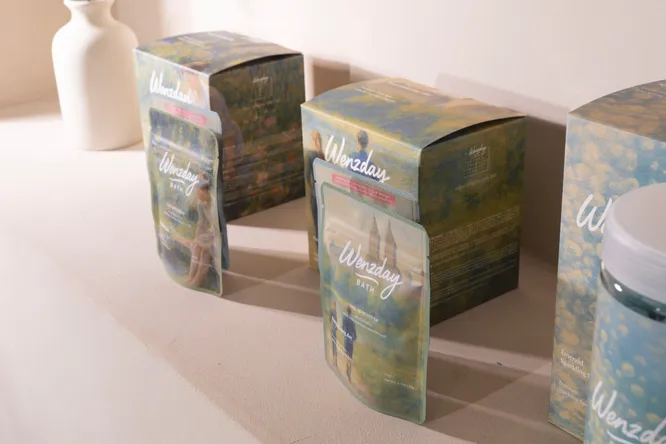
OVER THE WENZDAY’s Foot Healing Day and Foot Relaxing Day are built around the same sixteen-herb hanbang stack that tradition has been refining for centuries. The plants in the blend are not the showpiece. The repetition is. The Korean tradition assumes the body benefits from the same herbs, applied through warm water, returning week after week. Dano is the day that principle becomes visible. The rest of the year is when it does its quiet work.