What is Donguibogam?
When you see “Hanbang” on Korean skincare or wellness products, you’re encountering wisdom that traces back to one extraordinary book: Donguibogam.
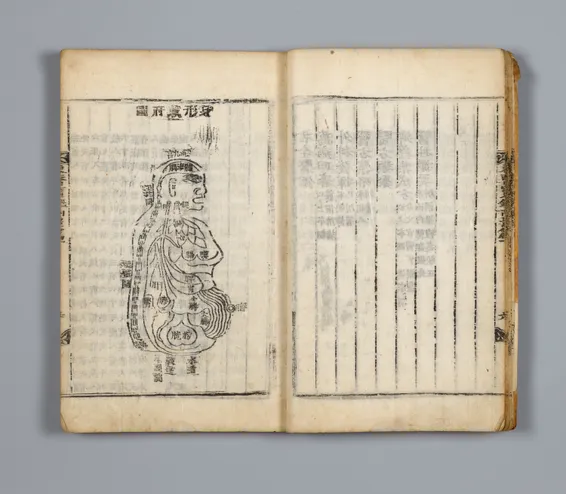
Donguibogam, meaning “Treasured Mirror of Eastern Medicine,” is a 25-volume medical encyclopedia compiled in Korea during the Joseon Dynasty. Published in 1613, this comprehensive guide has shaped traditional medicine practices across East Asia for over four centuries.
The book’s significance extends far beyond its historical value. In 2009, UNESCO added Donguibogam to its Memory of the World Register—the first medical text ever to receive this recognition. Then in 2011, UNESCO designated the 400th anniversary of its publication (2013) as an official commemorative event—the first Korean anniversary to receive this honor.
Why does a 400-year-old medical text still matter today? Because Donguibogam introduced revolutionary ideas about wellness that remain relevant: treating the whole person, preventing illness before it starts, and using natural ingredients to restore balance.
The Man Behind the Book: Heo Jun
Heo Jun (1539-1615) served as the royal physician to King Seonjo of the Joseon Dynasty. In 1596, the king commissioned him to compile a comprehensive medical guide that would make healthcare accessible to all Koreans.
The work began in the aftermath of the Imjin War (1592–1598), Japan’s first invasion of Korea, which had devastated the peninsula. In 1597, the second Japanese invasion (Jeongyujaeran) broke out, interrupting the project and scattering the compilation team.
But Heo Jun persisted. Even when sent into exile after King Seonjo’s death in 1608, he continued writing. Drawing from nearly 200 medical texts from Korea and China, he finally completed the 25 volumes in 1610 over 14 years of work.
The word “Dongui” in the title was a deliberate choice. It means “Eastern Medicine,” distinguishing Korean medical knowledge from Chinese medicine. Heo Jun was declaring that Korea had developed its own medical expertise equal to China’s—a bold statement of national identity through medicine.
What Makes Donguibogam Revolutionary?
Donguibogam wasn’t just another medical book—it fundamentally changed how medicine was organized and practiced.
Human Body as the Organizing Principle
While Chinese and Japanese medical texts of that era organized information by disease, Donguibogam organized everything around the human body. Its five sections reflect this approach:
- Naegyeong (Internal): Essence, energy, spirit, blood, and internal organs
- Oehyeong (External): Head, face, eyes, skin, hands, and limbs
- Japbyeong (Diseases): Causes, symptoms, and treatments
- Tangaek (Herbal Medicine): How to collect, process, and prescribe medicinal substances
- Chimgu (Acupuncture): Acupuncture and moxibustion techniques
Prevention Over Cure
Donguibogam emphasized preventing illness and maintaining health rather than just treating disease. This holistic approach—caring for body and mind together—was revolutionary for its time and aligns perfectly with modern wellness philosophy.
Accessible to Everyone
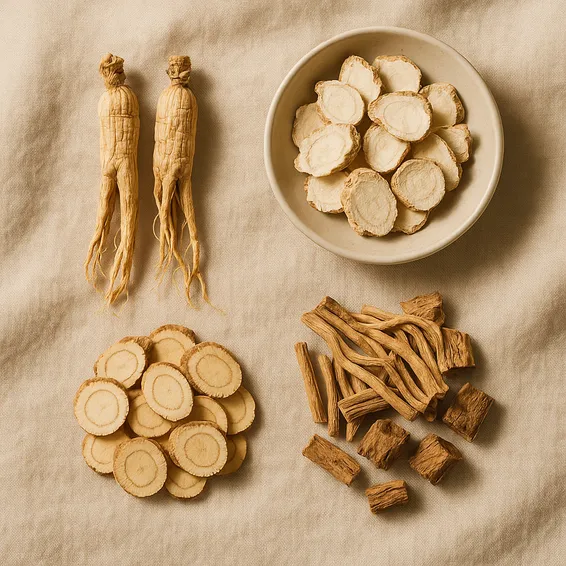
Heo Jun documented roughly 1,389 medicinal substances in the Tangaek (herbal medicine) section, with many entries carrying Korean names (hyangyakmyeong) written in Hangul beside the Classical Chinese. This made the knowledge accessible to ordinary people, not just scholars who could read Classical Chinese. He also deliberately emphasized locally available herbs, reducing reliance on costly imported materials from China.
A Legacy Across Asia
Donguibogam’s influence spread far beyond Korea. Chinese and Japanese physicians sought out copies, and the book became a valued reference across East Asia.
Japan was the first country outside Korea to publish Donguibogam, starting with the Kyōhō edition of 1724 in Kyoto and followed by an Osaka reprint in 1799. China’s first edition appeared in 1763 under the Qianlong Emperor, with further reprints issued in the decades that followed. The book also reached Vietnam, contributing to the development of traditional medicine throughout the region.
Today, Donguibogam remains a practical reference for clinicians practicing traditional Korean medicine. Its principles—understanding the body as an interconnected system, using natural ingredients, and prioritizing prevention—continue to guide modern Hanbang formulations.
OVER THE WENZDAY: Donguibogam Wisdom in Modern Wellness
At OVER THE WENZDAY, our founder—a Doctor of Korean Medicine with 21 years of clinical experience—draws directly from the Donguibogam tradition. Our products feature ingredients trusted for centuries: ginseng for vitality, peony for muscle relief, rhubarb for skin soothing.
Emerald Sparkling Day
Our effervescent bath fizz blends 16 traditional Hanbang extracts, including many ingredients documented in Donguibogam. The rich carbonation creates fine bubbles that enhance absorption while delivering deep, full-body relaxation.
Foot Relaxing Day
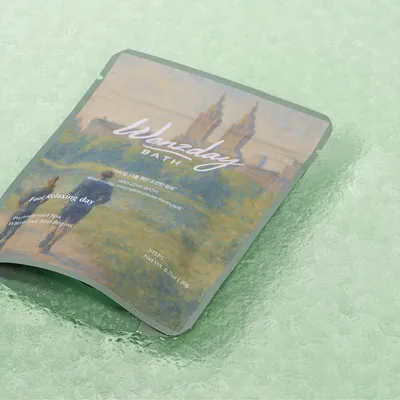
This mint-colored foot soak gel combines Epsom salt with Hanbang extracts. The gentle gel formula keeps water warm longer while the forest scent helps release tension after a long day.
Foot Healing Day
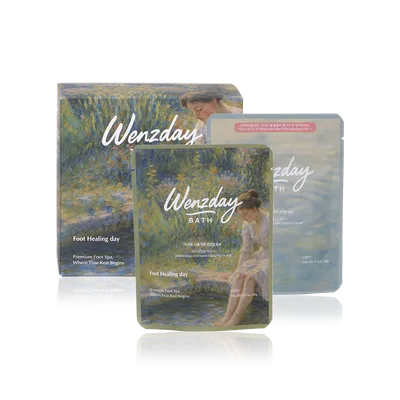
Designed for post-workout recovery, this sunset-colored gel combines MSM with Hanbang extracts to soothe inflammation and muscle fatigue.
Jelly Blossom Day
This pink jelly bath transforms water into a soft, sensory experience to share with loved ones. Five traditional herbal extracts nourish while rose water and argan oil leave skin soft and hydrated.
Experience the wisdom of Donguibogam in your daily wellness routine. Four hundred years of Korean medical knowledge, reimagined for modern relaxation.