The Story Everyone Half-Remembers
In the late 1980s, researchers kept running into a puzzle. The French ate plenty of butter, cheese, and rich food, yet had comparatively low rates of heart disease. Someone gave it a name that stuck: the French Paradox. The popular explanation pointed at red wine, and inside red wine at one compound in particular, resveratrol.
It is worth being honest about what that was. The French Paradox is an epidemiological observation, an association noticed in population data, not a proven cause and effect. And it was a story about wine and diet, not about any single ingredient you could bottle. But it did one thing very effectively. It made resveratrol famous, and it sent the supplement industry looking for somewhere to get it in quantity.
The grapes turned out to be a poor source.
The Resveratrol in the Bottle Isn’t From Grapes
Red wine contains resveratrol, but only in tiny amounts. If you wanted to fill capsules with it, grapes were never going to be practical. So the industry went looking, and it landed on a root.
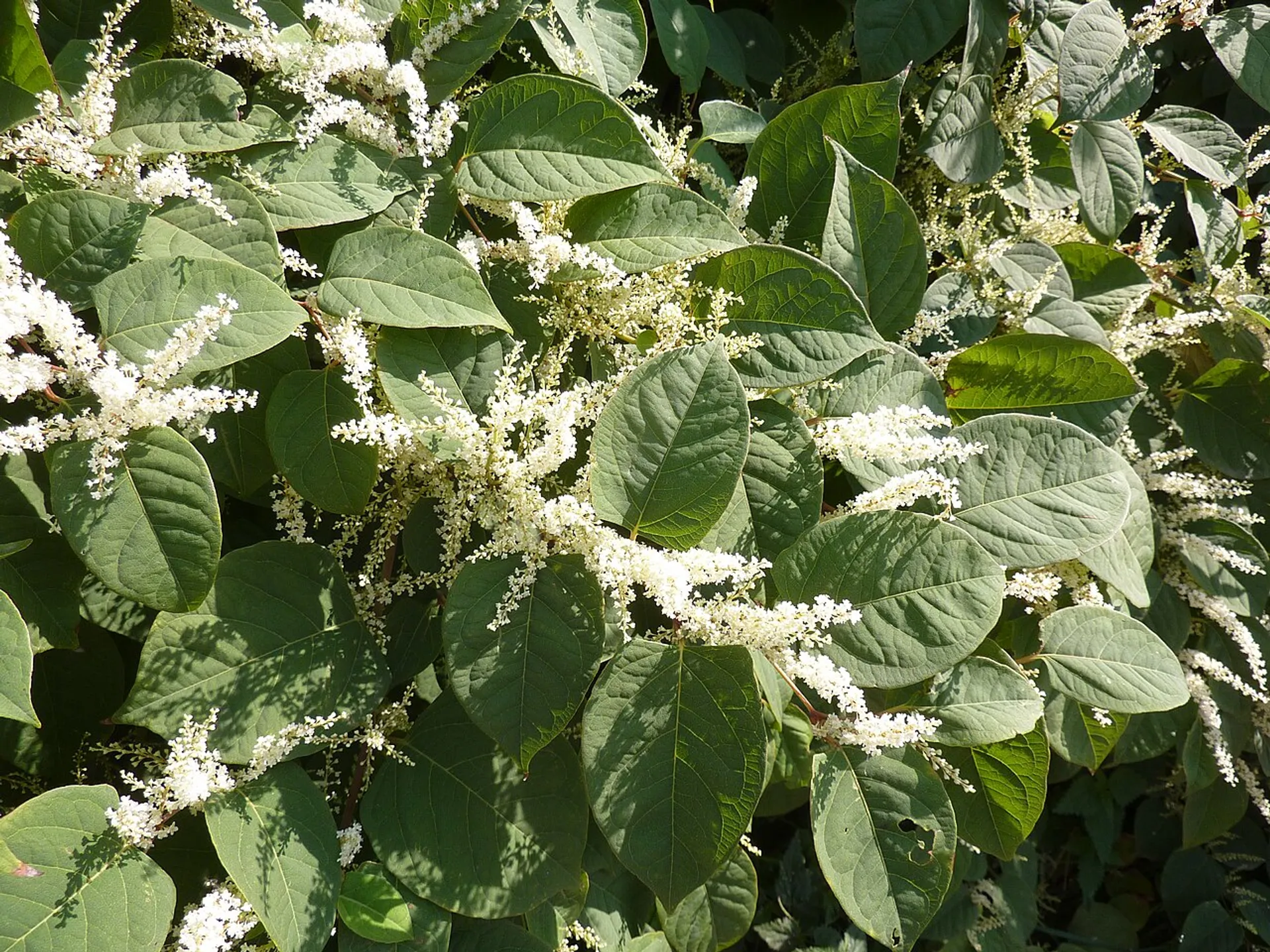
Most commercial resveratrol today is extracted from the root of a plant called hojanggeun (호장근) in Korea, Reynoutria japonica by its currently accepted botanical name. You will also see it written as Fallopia japonica and, especially on supplement and ingredient labels, Polygonum cuspidatum. All three names are the same plant. Its root is far richer in resveratrol than grapes are, and it became the practical answer to the question the wine story raised.
There is a twist in the plant’s reputation. In Europe and North America it is best known as an aggressive invasive plant, the kind that spreads from a fragment of root and makes headlines for pushing through pavement. Its English common name is Japanese knotweed. But it is native to East Asia, including Korea, and there it has a very different and much older identity. The same root that Western gardeners fight has been a traditional medicinal material here for centuries.
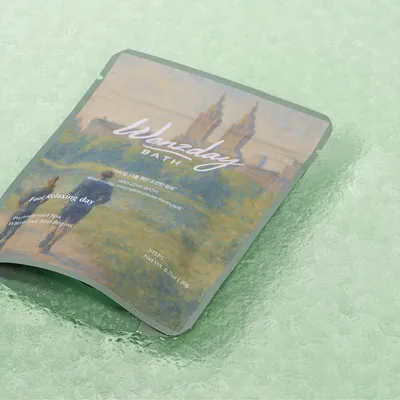
And it sits in the full ingredient list of Over the Wenzday’s foot soak gels, listed as Polygonum Cuspidatum Root Extract, the name it goes by on a label.
Hu Zhang: A Root with a Long Record
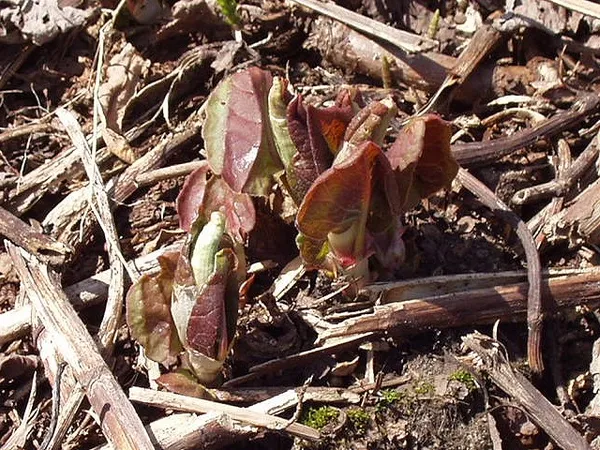
In East Asian medicine the dried root and rhizome is called Hu Zhang. The name is written 虎杖, “tiger cane,” after the young stems, which grow bamboo-like with raised nodes and reddish-purple speckles mottling the surface. The traditional explanation is that this pattern resembles a tiger’s markings. That part is a naming story rather than a botanical fact, but the speckled cane-like stem is real, and it is where the name comes from.
The root itself is listed in the Pharmacopoeia of the People’s Republic of China, and traditional references describe it in consistent terms. It was used, in the language of the tradition, to invigorate blood circulation and dispel stasis, to clear heat and drain dampness, and to ease pain. Among its traditional applications were bruises and traumatic injury, joint pain, jaundice, and cough. None of that is a modern efficacy claim. It is the record of how a plant was used, written in the vocabulary of its own time.
One honest note belongs here. These traditional uses describe the root taken internally as a decoction or applied directly, and references note that internal use was traditionally avoided in pregnancy because of its blood-moving action. A warm foot soak is a different route and a different context. The point of mentioning the tradition is not to import those cautions onto a soak, nor to imply a soak does what a remedy was said to do. It is simply to show that this is a plant with a long and specific history, not a novelty.
What Is Actually Inside the Root
Modern reviews of the plant’s chemistry describe two main groups of compounds. The first is the stilbenes, which include resveratrol and polydatin, a natural glucoside of resveratrol. The second is the anthraquinones, such as emodin. The stilbenes are the reason the root became the world’s resveratrol supply.
Two honest caveats keep this credible. First, resveratrol taken by mouth has poor bioavailability. The body metabolizes and clears it quickly, which is why a long list of promising laboratory findings has not translated cleanly into proven results in people. Second, much of the research on resveratrol and skin is preclinical, done in cell cultures and animal models, with limited human data. Topical use is studied partly as a way around the oral-absorption problem, but it remains an area of research rather than settled fact.
In cosmetics, Polygonum Cuspidatum Root Extract is known as a plant-derived antioxidant and soothing ingredient, valued because it is one of the richest botanical sources of resveratrol along with related compounds. Ingredient marketing often goes further than that, into firm anti-aging and brightening claims. Those rest largely on the same preclinical literature, so it is fair to describe the extract as studied for these properties, and fair to stop there.
Why a Foot Soak, Not a Capsule
So why put this root in a foot gel rather than a supplement bottle?
Because the brand’s interest is not in dosing resveratrol. A foot soak is an external, end-of-day ritual, and it makes no claim to deliver a measured compound into the body. What fits is the grain of the thing. This is a root the tradition associated with circulation and with tired, knocked-about bodies, and that grain sits comfortably beside the simple experience of heavy, aching feet after a long day on them.
What genuinely helps tired feet is rarely dramatic. It is usually warm water, a little time, calves loosened, feet lifted and allowed to rest. Building that small pause into the end of the day is the real benefit. Hojanggeun is one of the botanicals that comes along for the ritual, carrying a long history rather than a promise.
One Root, Two Reputations
It is a strange double life for a single plant. In one half of the world it is an invasive nuisance to be dug out and reported to the council. In the other it is Hu Zhang, the tiger-cane root, written into old pharmacopoeias and, as it turns out, the quiet source of the resveratrol that a story about French wine once made famous.
That is why Over the Wenzday’s Foot Healing Day and Foot Relaxing Day include Polygonum Cuspidatum Root Extract as part of a 16-herb botanical blend. At the end of a long day, with your feet in warm water, here is the root behind a famous paradox, met somewhere far more ordinary.
Curious about the other herbs in Over the Wenzday’s foot soak gels? Read the roadside plant that peaks in Korea’s search bar every June, why heartleaf shows up in foot soaks, and what ginseng does.
Images: Reynoutria japonica by Katrin Schneider / korina.info (CC BY-SA 4.0), Rasbak (CC BY-SA 3.0), and Aomorikuma (CC BY-SA 3.0), via Wikimedia Commons.