Spring of 1717, Onyang Hot Spring
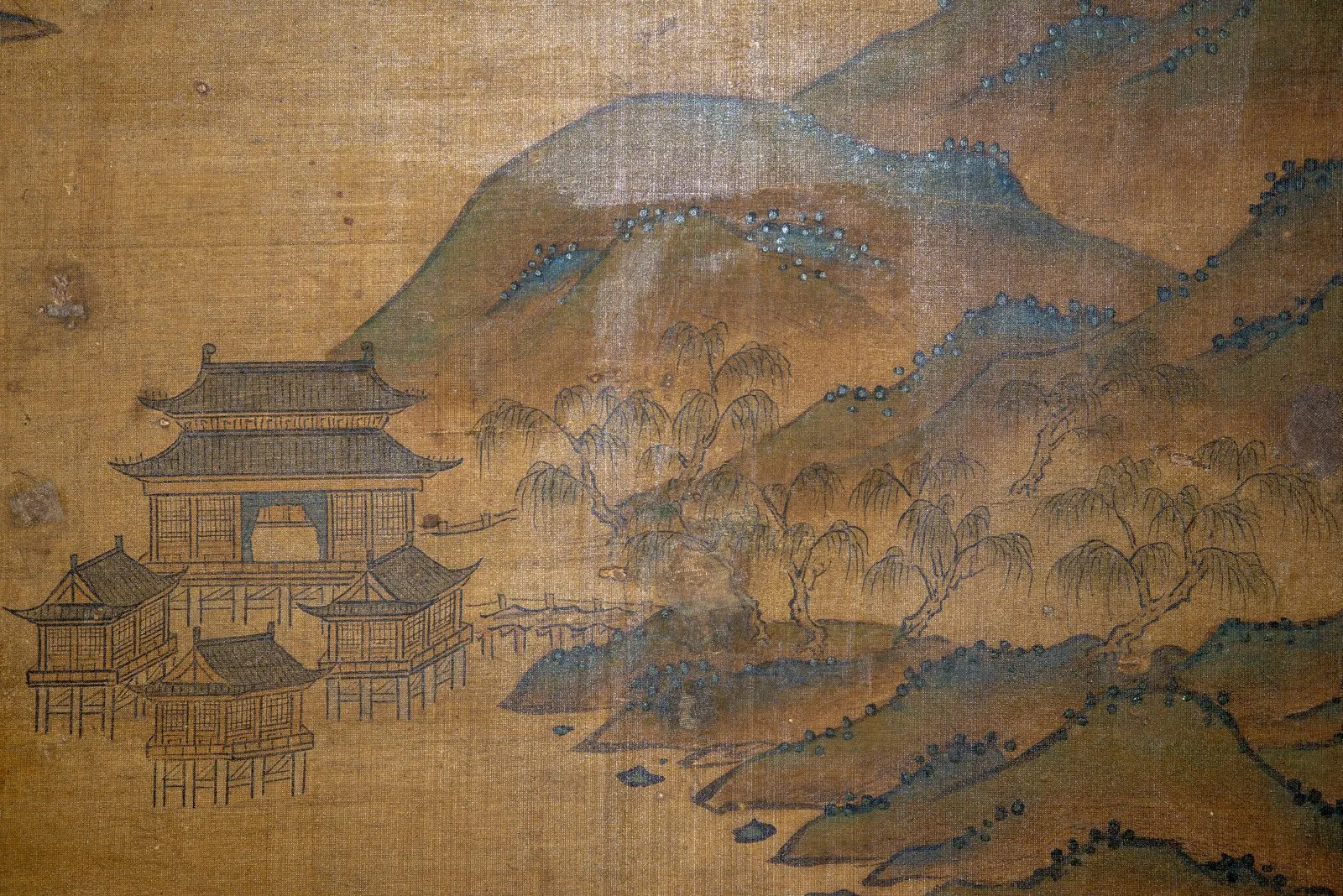
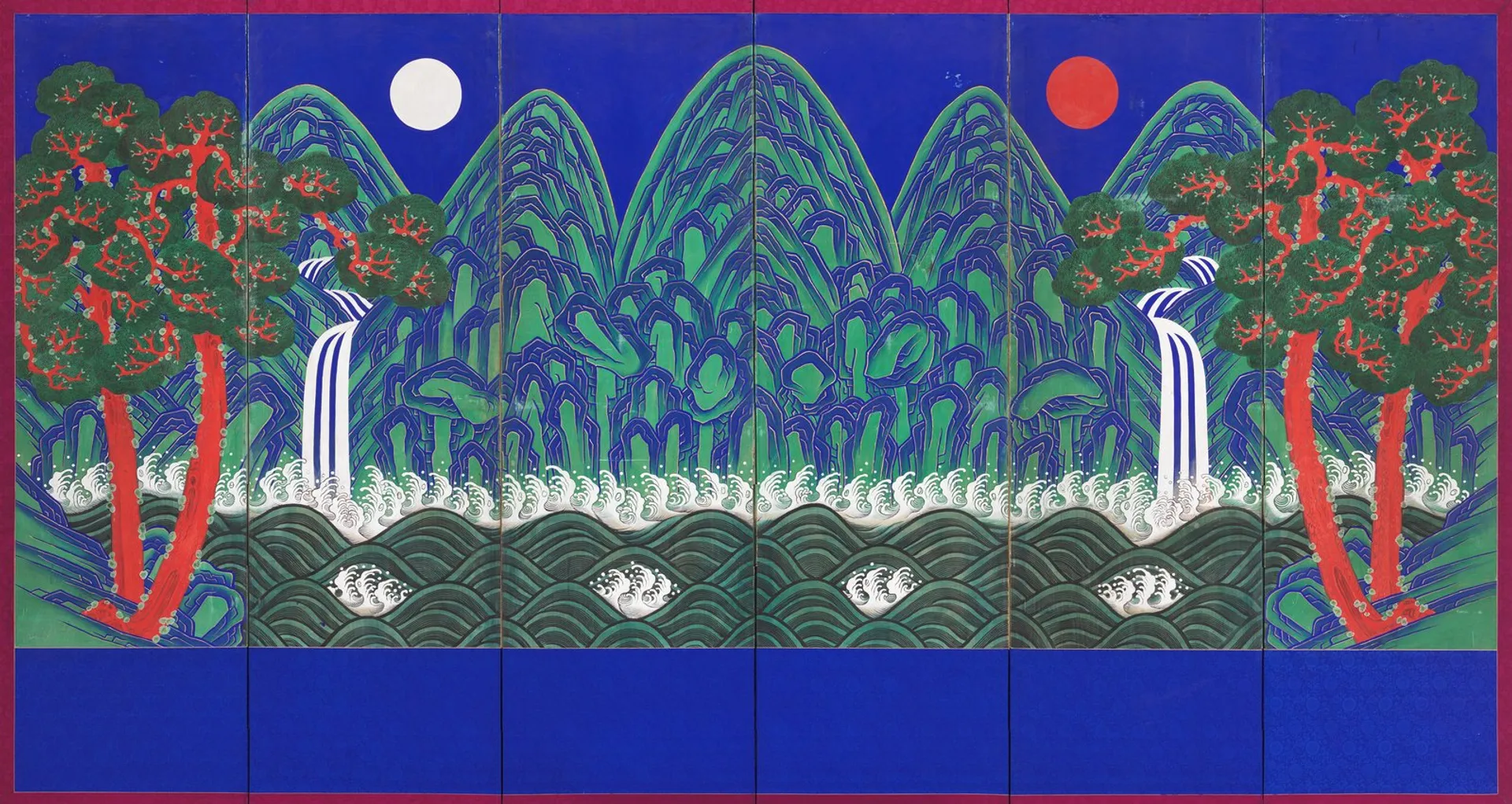
Source — Korea Heritage Service, KOGL
In the 43rd year of his reign, the third lunar month. King Sukjong of Joseon, age 57, was suffering from blurred vision, dizziness, and numbness in his legs. His royal physician, Yi Jung-beon, recommended a trip to Onyang Hot Spring.
The bathing sessions ran from March 18 to 21 — four consecutive days. The records in the Seungjeongwon Ilgi (Royal Secretariat Diary) are remarkably specific:
At the hour of osi (午時, around noon), the king proceeded to the hot spring, had over 500 ladles of water poured over his head, and soaked below the navel for 30 minutes.
Below the navel, for 30 minutes — that is a half-body bath. Timed precisely with a geumnu, a water clock.
Then on March 22, the record changes:
At the hour of sasi (巳時, mid-morning), the king proceeded to the hot spring, had 200 ladles of water poured over his head, and soaked below the knees for 15 minutes.
Below the knees, for 15 minutes — a foot soak.
Why Spring?
This is where the logic becomes clear. If this were simply a medical treatment, there would be no reason it had to be spring — or noon. But the physician’s choices had clear medical reasoning behind them.
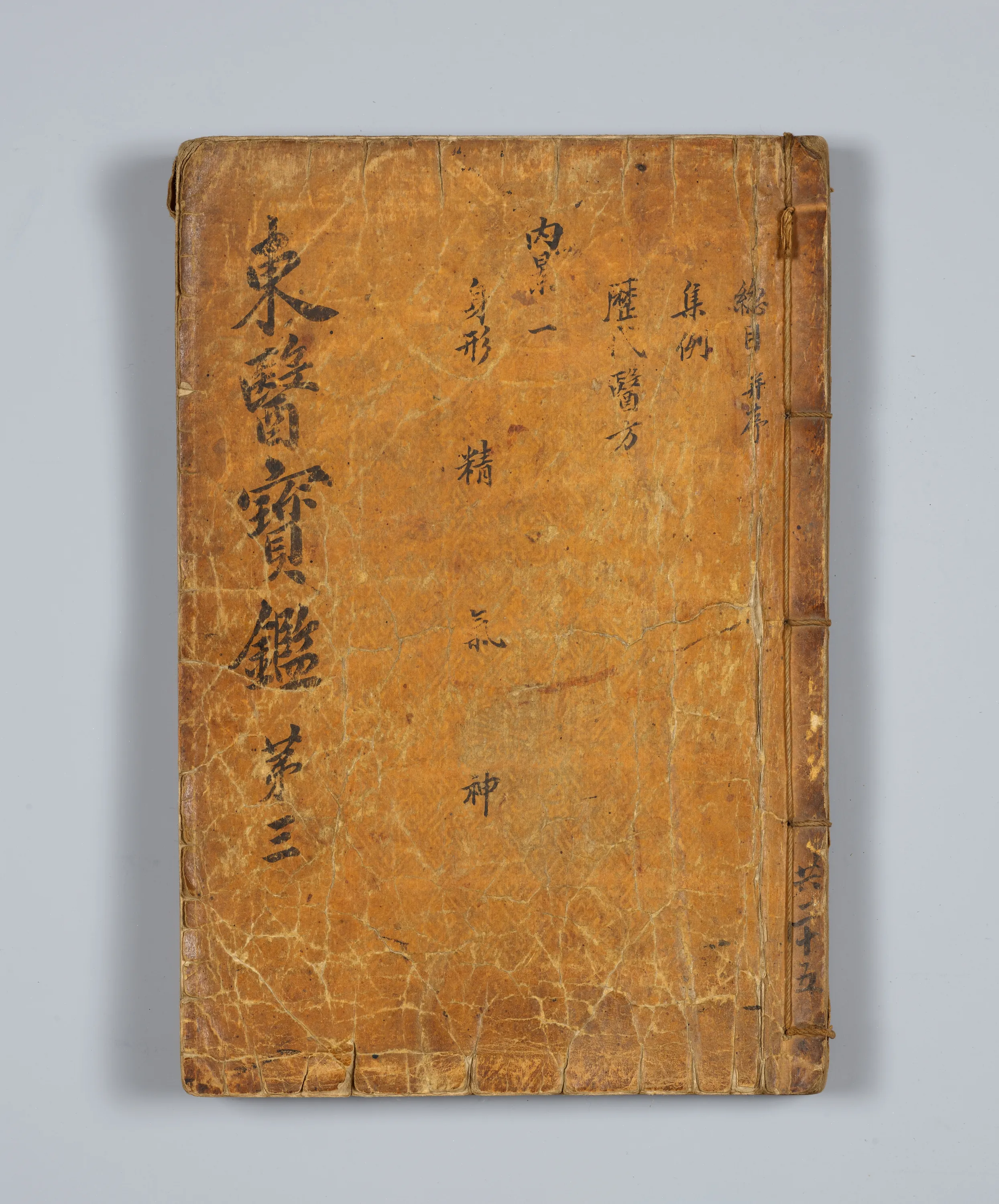
The Huangdi Neijing (Yellow Emperor’s Classic), a foundational text behind Donguibogam, puts it this way:
春三月 此謂發陳 — “The three months of spring are called ‘emergence and renewal.’”
It is the season when old energy recedes and new energy rises. In Korean medicine, spring is when yang energy begins surging upward from the earth. Within the year, the third month marks the point when yang energy truly accelerates. Within the day, it peaks around noon.
The physician was riding the natural wave of yang energy to maximize the effect of the treatment.
Treating the Eyes Through the Feet
Look at Sukjong’s symptoms again: blurred vision and dizziness (heat concentrated in the upper body) + numb legs (cold in the lower body). Hot above, cold below — what Korean medicine calls sang-yeol-ha-han (上熱下寒), an imbalance.
The Donguibogam’s External Form chapter addresses this exact situation:
“When the eyes are bloodshot and swollen while the feet are cold, washing the feet frequently with hot water is highly effective.”
Pulling accumulated heat downward from the upper body. This is the principle of su-seung-hwa-gang (水升火降) — water energy rises, fire energy descends — and the basis of what Koreans know as du-han-jok-yeol (頭寒足熱): “cool head, warm feet.”
A foot soak, then, was never simply about warming the feet — it was about redistributing heat within the body. And that is why it matters most in spring — the season when rising yang energy is most likely to concentrate in the upper body.
One more thing. In Korean medicine, spring is the season of the liver. In Five Element theory, spring corresponds to Wood, and Wood governs the liver. The liver meridian (Jok Gwol-eum Gan-gyeong, 足厥陰肝經) begins at the big toe and runs upward to the liver. A foot soak directly stimulates this meridian.
Sukjong’s physician prescribed a spring foot soak because he understood all of this.
The Same Herbs, 300 Years Later
There is no exact record of which herbs were used in Sukjong’s hot spring treatment. But the herbs that Donguibogam prescribed alongside foot soaks are well documented.
Peony appears in over 200 Donguibogam formulas. Cnidium was called “the Qi within the Blood” and used as a core circulation herb. Ginseng replenished vital energy. Licorice root harmonized them all.
Angelica, cnidium, and peony in particular are the core herbs of the Donguibogam’s Samul-tang (四物湯, Four Substance Decoction) — the classical formula for nourishing blood. Its purpose is to replenish the blood stored in the liver. Because for the liver to thrive in spring, it needs sufficient blood to draw from.
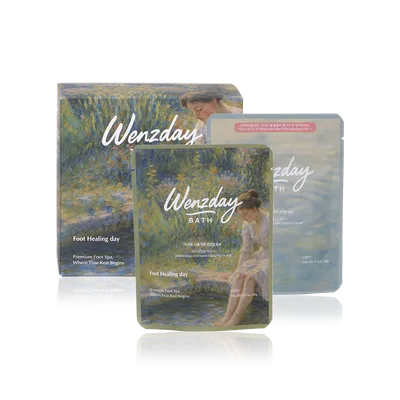
This herbal framework is not simply tradition — it is a coherent medical system. The same herbs are found in OVER THE WENZDAY’s 16 Korean herbal extracts. Not as a recreation of royal prescriptions, but as a product rooted in the same tradition and the same medical wisdom.
Spring Starts at Your Feet
Three hundred years ago, a Joseon king soaked his feet under a physician’s care, timed by a water clock. Today, you don’t need a water clock. 40°C water, 15 minutes, your living room — that is enough.
When spring arrives, yang energy rises and the body’s balance shifts. Drawing the heat downward — the principle was the same centuries ago, and it still holds now.
A spring ritual that starts at your feet. Exactly as a king did, 300 years ago.
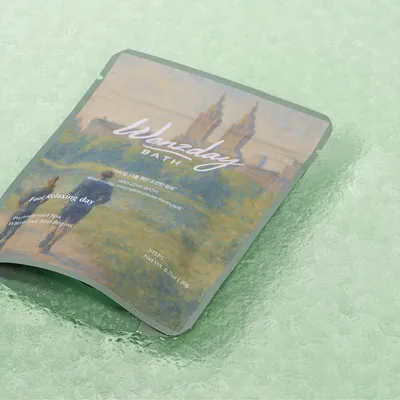
OVER THE WENZDAY’s Foot Healing Day and Foot Relaxing Day contain 16 Korean herbal extracts including peony, cnidium, ginseng, and licorice root. Curious about what Donguibogam is? You might also enjoy reading about Korea’s bathing culture.