FROM NATURE
Purslane
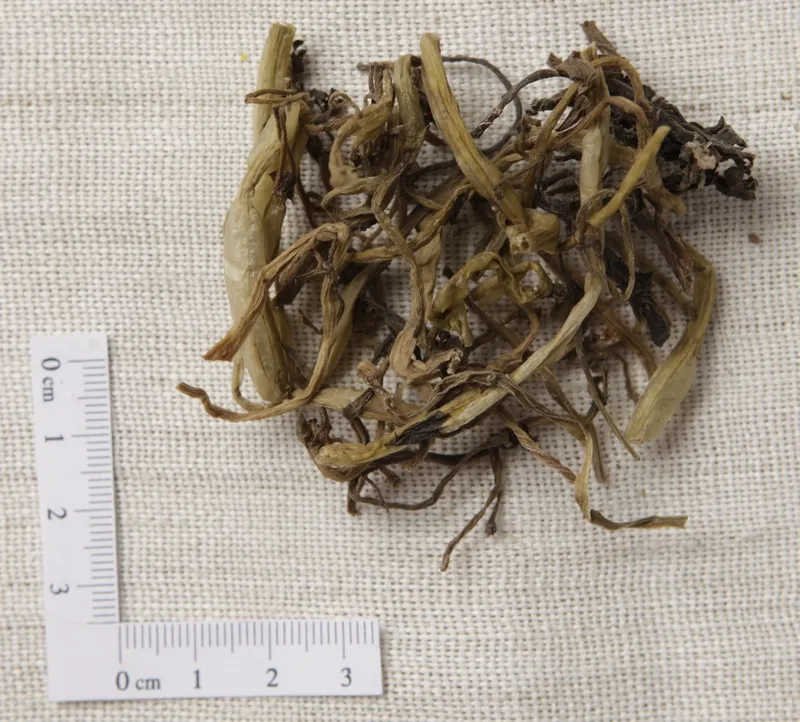
Purslane grows in sidewalk cracks and field margins, survives being stepped on, and keeps living long after it is pulled up, which is why most of the world treats it as a weed. Korea reads it differently. Its classical name is machihyeon (馬齒莧), “horse-tooth herb,” after the shape of its leaves, and it is also called ohaengcho (五行草), the five-element herb, because it carries five colors at once: green leaves, red stems, yellow flowers, white roots, black seeds. The Dongui Bogam records it as cold in nature and non-toxic, used for swellings and stubborn sores, and older texts describe boiling it into a thick paste for scabies, eczema, and boils, or crushing the fresh plant onto the affected skin. For centuries it was a plant that met skin directly.
In modern terms, purslane is one of the richer plant sources of omega-3 fatty acids (ALA), part of why it is eaten as a seasoned green called namul. In cosmetics, Portulaca oleracea extract is used as a plant-derived ingredient for keeping skin comfortable, described in ingredient references as a soothing, conditioning, and moisture-supporting material. Studies have looked at the extract in connection with skin barrier function and the skin’s calming response, which is why a plant with this long topical history keeps reappearing in skincare, including Over the Wenzday’s foot soak gels.