Feet Know Before the Forecast Does
In Korea, you can watch the monsoon arrive in the search bar before a drop of rain falls. Searches for jangma (장마), Korea’s summer monsoon season, take off in the second week of June. Last year they more than tripled in that single week, then peaked when the long rain actually began at the end of the month. This is the week Korea starts bracing for the damp.
And much of that bracing is about feet. Shoes soaked on the morning commute that never dry out, socks that feel clammy by noon. By evening you dread peeling them off. Last week’s post followed Korea’s June spike in athlete’s foot searches and landed where almost all foot advice lands: keep your feet dry. Jangma is the stretch of the year when that simple advice is hardest to follow.
Older Korean medicine had its own word for what humid weeks do to a body, and a grain it kept reaching for when the rain set in.
The Grain in the Vending Machine
The grain is Job’s tears, called yulmu (율무) in Korean, where it is about as unexotic as an ingredient gets. Yulmu tea is a standard button on Korean office vending machines: a toasty, nutty drink somewhere between tea and a light meal. The same grain is tossed into rice as a chewy multigrain staple.
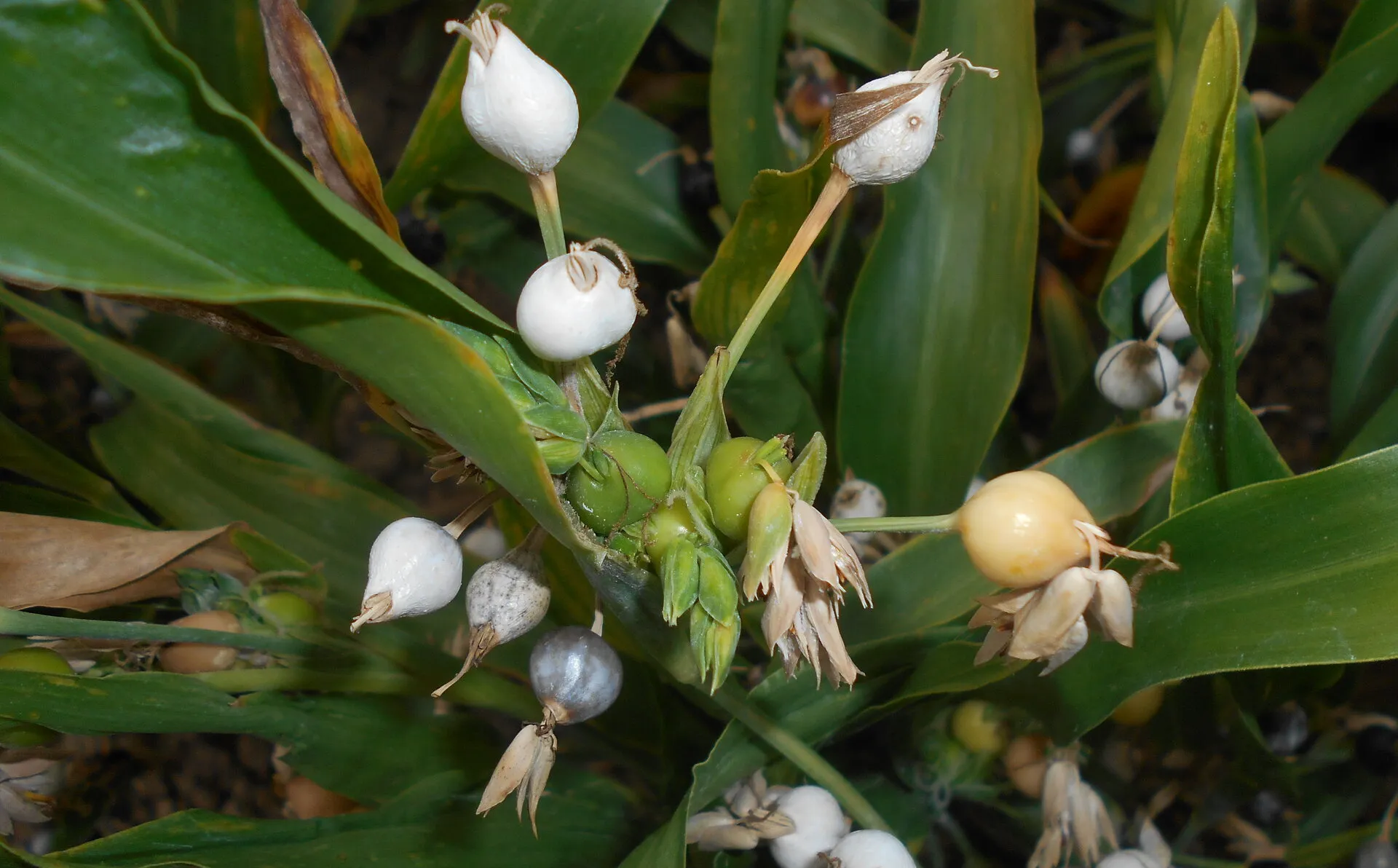
The botanical name is Coix lacryma-jobi. The species name is Latin for “Job’s tears,” after the teardrop shape of the wild seeds, which is also how the grain is known across the English-speaking world. If you read Japanese skincare labels, you have likely met it under yet another name, hatomugi, the quiet star of a cult toner or two.
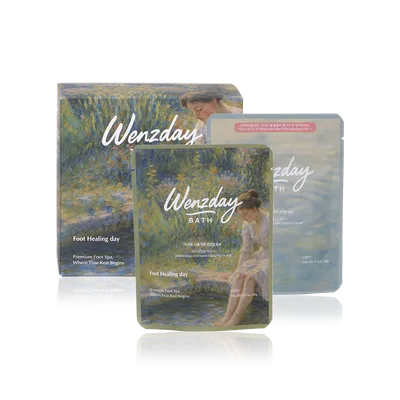
Over the Wenzday’s foot soak gels carry it too, listed as Coix Lacryma-Jobi Ma-yuen Seed Extract. To explain why a tea grain belongs in a foot soak, you need one old word.
Dampness, the Old Word for This Weather
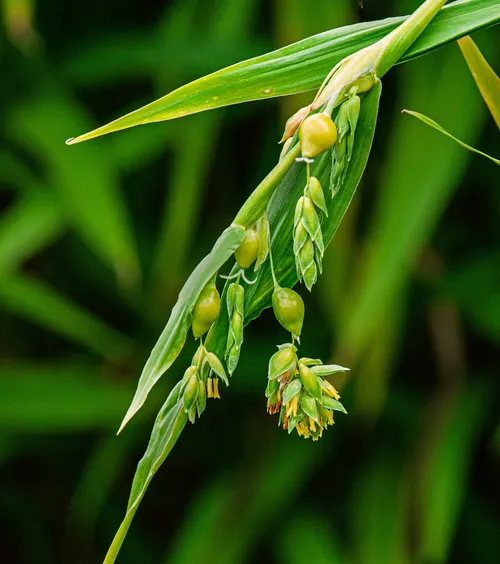
East Asian traditional medicine has a word for what long humid weeks do to a body: dampness (濕). Dampness was described as heavy, sticky, and inclined to sink downward, which is why its troubles were said to show up first in the lower body, in legs that feel leaden and feet that never feel clean. Open an English-language reference on traditional East Asian herbs and look up “drains dampness,” and Job’s tears is the textbook answer.
Korea’s own record agrees. The Dongui Bogam, the medical encyclopedia compiled by royal physician Heo Jun, first published in 1613 and inscribed in UNESCO’s Memory of the World register, says this about the hulled seed of Job’s tears (薏苡仁, ui-i-in):
Slightly cold in nature, sweet in taste, non-toxic. Treats lung withering and lung qi with coughing of pus and blood. Also treats wind-damp obstruction (風濕痺) with cramping sinews, and dry and damp gakgi (脚氣), disorders of the legs.
Strip away the unfamiliar terms and two characters keep surfacing: damp (濕) and legs (脚). Centuries ago, this grain was already assigned to the season when the body feels heavy, and to the lower half of the body where that heaviness collects.
The Porridge the Palace Kitchen Trusted
In the Joseon court (1392-1910), Korean kings began their day before breakfast with a small dawn meal, often a bowl of juk, soft-cooked porridge. One family of those porridges was called eung-i, a worn-down form of ui-i, the classical name for Job’s tears. The grain was so central to Korean porridge-making that its name drifted into being a word for porridge in general, to the irritation of the scholar Yi Ik, who complained that people were using a grain’s name for a dish.
Inside the palace, that porridge sat closer to prescription than comfort food. The royal clinic practiced sikchi, treating with food before reaching for medicine, and Job’s tears porridge was one of its regulars for when damp set in and appetite flagged. The Seungjeongwon Ilgi, the daily records of the royal secretariat, records it being sent to a queen’s sickbed as part of a regimen to dispel cold-damp. The Sikryo Chanyo (1460), Korea’s oldest surviving dietary-therapy text, was already recommending the same porridge for swelling, and a nineteenth-century encyclopedia still filed the recipe as the palace method.
What the Old Records Do Not Cover
To be fair, everything above is about eating and drinking Job’s tears. Sipping a tea and soaking your skin are different routes, and an old porridge record is not evidence about skin.
What modern research has done is pick the same grain up from the skin side. Coix seed extract is an established plant-derived cosmetic ingredient, one that Korean ingredient lists long carried under the older name ui-i-in extract. Studies have examined polysaccharides from the seed for inflammation-related activity, and a 2024 animal study looked at Job’s tears sprout extract in itch triggered by a histamine-releasing compound, reporting reduced scratching. All of this is laboratory work on extracts and single components, and it guarantees nothing about any finished product. Still, a grain people drink from office vending machines is now being studied from the skin side.
A Routine for the Damp Weeks
Back to the feet. The modern explanation for why this season is hard on them is concrete. In warm, humid conditions, the skin between the toes stays soft and waterlogged, exactly the environment fungi and bacteria prefer, which is why athlete’s foot and foot odor both climb during the rainy season. Clear or stubborn symptoms belong with a doctor and an antifungal, and no foot soak changes that.
For everything short of that, the routine is simple.
- Wash your feet when you get home, towel between the toes, then finish with a hair dryer on the cool setting. The goal is properly dry, not just not-wet.
- Moisturizer goes on after drying, mostly on the heels. Skip the spaces between the toes; those need to stay dry.
- Rotate two or three pairs of shoes so each pair gets a full day to dry out.
- Keep a spare pair of socks in your bag. Changing out of damp socks midday does more than it sounds like it would.
A foot soak fits the first step. Ten minutes of warm water gets the day’s damp off before you dry everything properly. Ours happens to carry an extract of the very grain this story has been following; make of that history what you will.
A Seed Shaped Like a Teardrop
The grain in the vending-machine tea is the same seed a king ate at dawn, the one old Korean medicine filed under dampness. Centuries later, skin researchers are picking it up again.
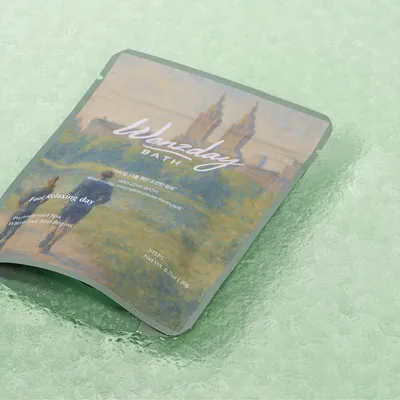
The 16-herb blends in Over the Wenzday’s Foot Healing Day and Foot Relaxing Day carry this extract for that reason. The long rain is on its way. Ten minutes spent washing and properly drying your feet at the end of the day may be the easiest piece of foot care this summer offers.
Curious about the other herbs in Over the Wenzday’s foot soak gels? Read the roadside plant Koreans search for every June, why heartleaf shows up in foot soaks, and how Dano was a day for herbal self-care.
Images: Coix lacryma-jobi by Salicyna (CC BY-SA 4.0), Freddo213 (CC BY 4.0), and Fumikas Sagisavas (CC0), via Wikimedia Commons.