The Paste That Cooled Indian Summers
If you grew up in an Indian household, or near one, you may already know this bean as a face paste before you knew it as a soup. Ground mung bean, moong dal, is one of the oldest ingredients in ubtan, the traditional paste smoothed onto skin before a wedding or simply to get through a hot season. Ayurveda files mung bean under the qualities of light and cooling, a food and a paste thought to pacify Pitta, the heat humor. For centuries it has been the summer grain you eat when the weather turns, and the one you wear on your skin.
That is a different lineage from the Korean one, where the same bean is nokdu and turns up in savory pancakes and cold jelly. But the idea underneath is the same in both places. This is a bean people reached for when things ran hot.
A Bean You Probably Know as Food
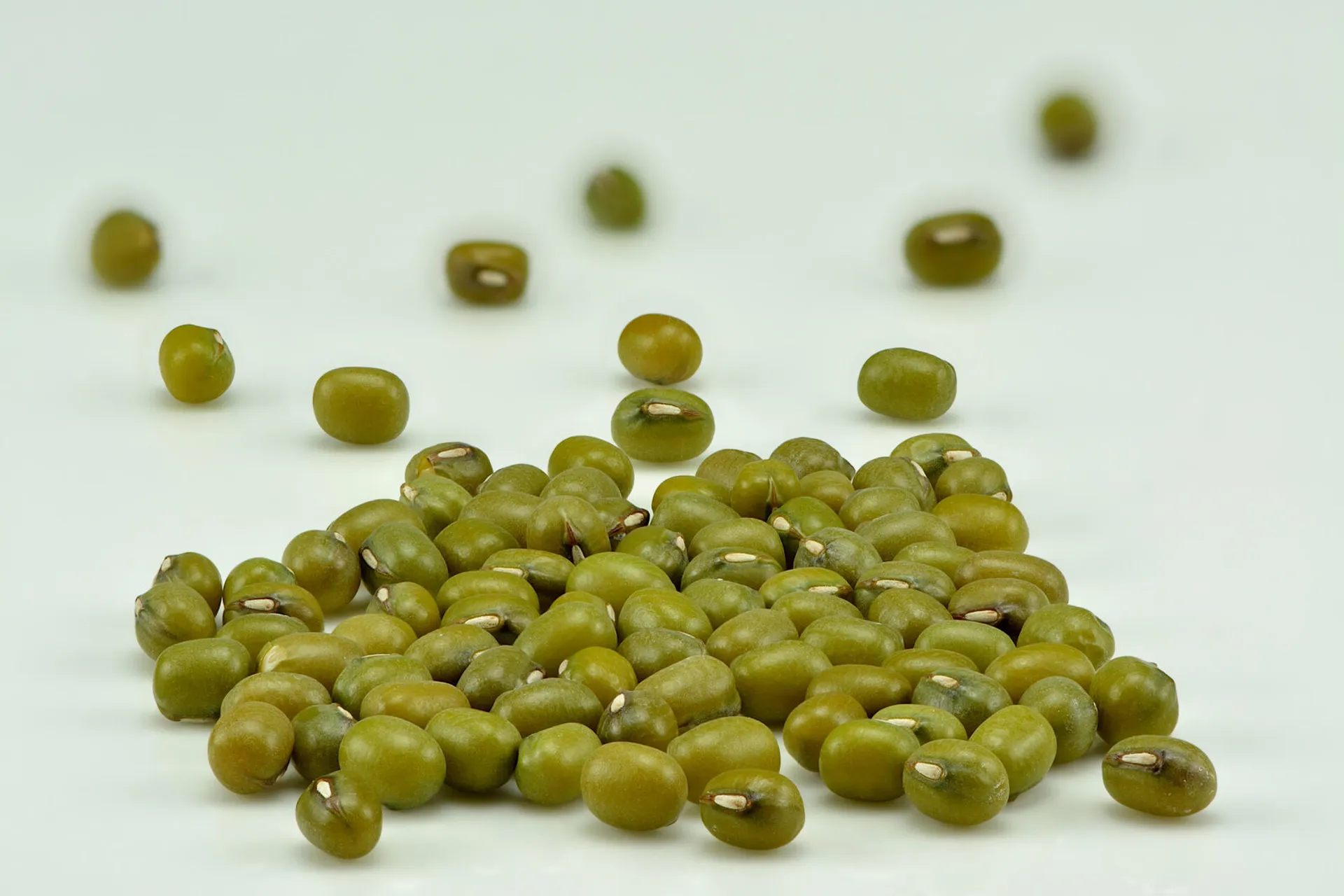
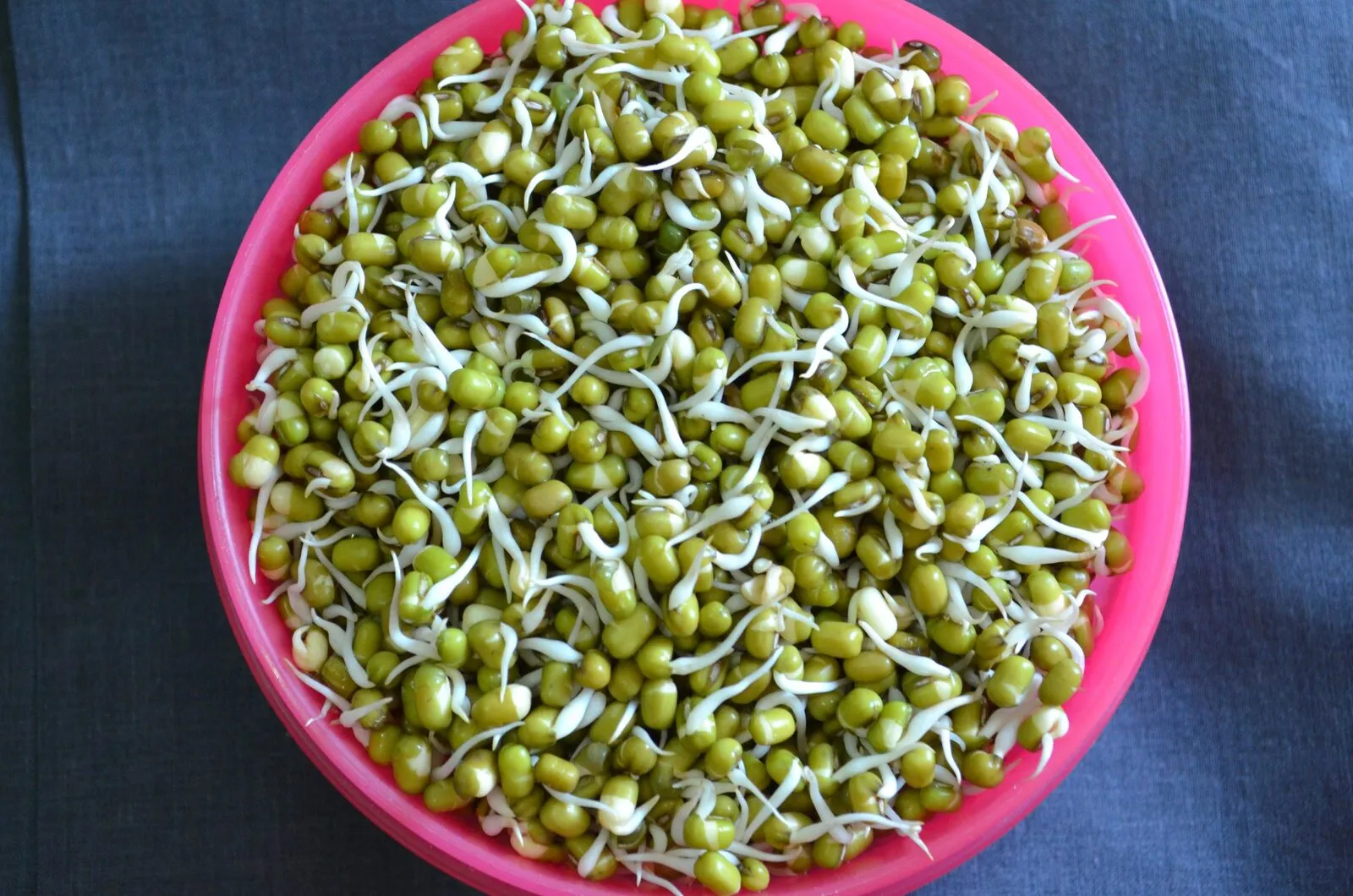
Mung bean, Vigna radiata, is a small deep-green legume grown across Asia and eaten in a hundred forms: dal, sprouts, jelly, porridge, sweet soups. It is humble, familiar, and easy to overlook. So it is a little surprising to find it on a cosmetic ingredient list.
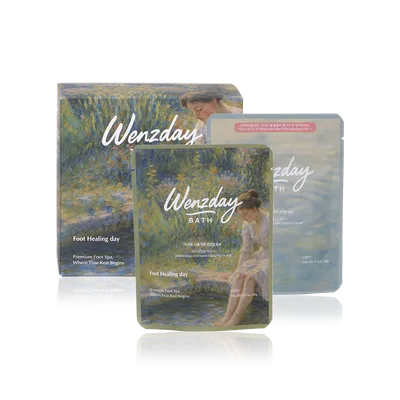
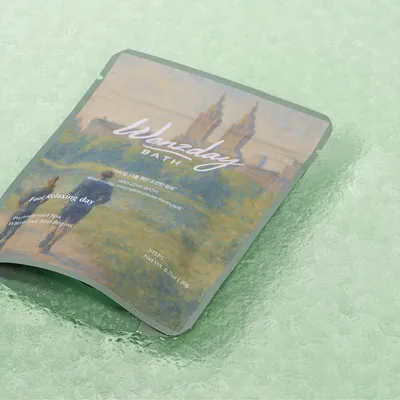
But there it is. In the full ingredient list of OVER THE WENZDAY’s foot soak gels, listed as Vigna Radiata (Mung Bean) Seed Extract, is the same bean that Ayurveda ground into a cooling paste. How does a summer face grain end up in a warm foot soak? The answer runs through a few honest turns.
Cooling in Two Traditions
Ayurveda is not alone in casting mung bean as a heat remedy. In Traditional Chinese Medicine the bean is lu dou, classed as sweet and cold, and mung bean soup is the everyday dish people cook to clear summer heat when the weather is at its worst. One small green bean, two large traditions, both filing it under the same job. It is worth saying plainly that this is traditional belief rather than clinical fact, and that almost all of it describes eating the bean or drinking its broth. Still, the through-line is striking. Across very different cultures, mung bean became the plant you turned to in the heat.
Why Feet Run Hot at Night
Here is where feet come in. If you have ever pushed a foot out from under the covers at two in the morning, that is not random. Before sleep your body sends warmth out toward your hands and feet, widening the blood vessels there so it can shed core heat and settle into rest. Feet are one of the main places that heat leaves from, which is exactly why they can feel like they are burning up under a blanket on a summer night.
So a warm foot soak in the evening is not fighting that rhythm. It is a wind-down that works with it, giving your feet a warm, quiet pause before the body does its own cooling. One honest line belongs here though. The soak does not physically cool your feet, and it is not a treatment. If burning or tingling in the feet is persistent, or comes with numbness, that has its own medical name and is worth showing to a doctor rather than a foot bath.
What Is Actually in the Seed
The reason mung bean keeps showing up in skin research is a pair of flavonoids called vitexin and isovitexin, concentrated almost entirely in the seed coat. Laboratory studies have looked at these compounds as antioxidants, and cell-culture work has reported that mung bean hull extract can protect skin cells against oxidative stress.
The honest framing matters. These are lab-stage findings, done in cells and early formulations, not proven outcomes on human skin. So Vigna Radiata Seed Extract is fair to describe as a plant-derived ingredient studied for antioxidant and soothing properties, and fair to stop there. In a foot soak it is not being dosed or delivered like a drug. It is a botanical with a long cultural record and some early science, along for the ritual.
Why a Warm Soak, Not a Cool Paste
There is a real contrast worth naming. The Ayurvedic tradition used mung bean as a cool paste on the skin. Our product is a warm soak for the feet. Those are not the same gesture, and it would be dishonest to borrow the cooling reputation and pretend a warm gel does the cooling.
What carries over is not temperature but grain. This is a bean two traditions reached for in the heat, now sitting in an evening routine built for hot, tired, end-of-summer-day feet. And what genuinely helps those feet is rarely dramatic: warm, not hot, water; a little time; calves loosened; feet lifted and allowed to rest. Building that small pause into the end of the day is the real benefit. Mung bean is one of the botanicals present for it.
From Face to Feet
It is a long way from a wedding-day face paste in an Indian summer to a foot gel at the end of a Korean one, but it is the same little green bean the whole way. Ayurveda ground it cool onto the skin, China simmered it against the heat, Korea folded it into pancakes and jelly, and each time the bean was doing a version of the same quiet job.
That is why OVER THE WENZDAY’s Foot Healing Day and Foot Relaxing Day include Vigna Radiata (Mung Bean) Seed Extract as part of a 16-herb botanical blend. On a hot summer night, with your feet in warm water, here is the cooling bean of Indian summers, met somewhere it does not usually go.
Curious about the other herbs in OVER THE WENZDAY’s foot soak gels? Read the roadside plant that peaks in Korea’s search bar every June, why heartleaf shows up in foot soaks, and what ginseng does.
Images: Vigna radiata by Ivar Leidus (CC BY-SA 4.0), Sanjay Acharya (CC BY-SA 4.0), and pics_pd (CC0), via Wikimedia Commons.