The first step out of bed
You put your foot on the floor in the morning and a sharp, stabbing pain shoots through the heel. A few limping steps later it loosens up. Then you sit for a while, stand again, and it is right back.
Anyone who has had plantar fasciitis knows this moment. It even has a name: clinicians call it first-step pain, and it tends to hit people who stand all day, wear unsupportive shoes, or recently ramped up their walking or running too fast.
So you look up what to do at home, and within a minute you hit the confusing part. One article says ice it. The next says warm it up. Both are right. They just apply at different times. The short version: ice a hot, swollen foot, and warm a stiff morning one. Here is why.
Why the morning is the worst
The plantar fascia is a thick band of tissue that runs along the sole of your foot, anchored at the heel bone and reaching toward the toes. It supports the arch and absorbs load with every step. When repeated stress builds up, small strains in that band can turn into pain.
Mornings are the worst for a simple reason. While you sleep, your foot rests in a slightly pointed position and the fascia tightens and shortens overnight. The moment you stand and load it, that shortened band stretches all at once, and the first step feels like it tears. It eases as the day goes on, because walking gradually warms and lengthens the tissue. That is also why standing up after sitting brings the pain back.
If the pain is severe, or it has dragged on for weeks, see a podiatrist or doctor before anything else. What follows is everyday care, not a cure.
Ice or heat? Start by reading the foot
The honest answer is that cold and heat do different jobs, so you pick by how the foot feels right now.
- Ice when the heel is hot, swollen, or freshly flared up, especially after a long day. Fifteen to twenty minutes, wrapped in a towel, a few times a day.
- Heat when the foot is stiff, first thing in the morning, or as a warm-up before stretching. A warm soak around forty degrees Celsius, kept under fifteen minutes, usually once in the morning.
Ice is the usual first move for plantar fasciitis, and most of the time it is the safer bet. It suits an acute flare, a heel that feels hot and swollen, or the end of a long day on your feet. Cold helps calm the swelling and dull the pain. Wrap an ice pack in a towel so it never touches skin directly, and use it for fifteen to twenty minutes, a few times a day. Rolling your arch over a frozen water bottle does double duty as a gentle massage.
Heat plays a narrower role. It is for morning stiffness, for an old nagging ache, and as a warm-up that loosens the fascia before you stretch. Warmth on its own will not fix plantar fasciitis, and on a hot, inflamed day it can make swelling worse. But for a stiff foot first thing, a warm soak around forty degrees Celsius, kept under fifteen minutes and never so hot that it scalds, makes the tissue easier to move.
There is also the contrast bath, where you alternate warm and cold water. If you try it, the common advice is to start and end on cold, so you finish on the anti-inflammatory side.
A simple rule of thumb: hot and swollen, go cold. Stiff and cold, go warm. Many people settle into a rhythm: heat in the morning to loosen up, ice in the evening to calm things down. One caution: if you have diabetes, reduced feeling in your feet, or a circulation problem, hot water can scald you before you notice. Keep the temperature low and check with a clinician first.
The catch with warm soaks
Here is the part the foot pain forums keep circling. People try a warm soak, it feels great in the moment, and then they write the same sentence: by morning the pain is right back. The warmth never seems to stick.
Part of that is physics, not effort. Water is a poor insulator. A basin of forty-degree water sits exposed to the air, and depending on the room it can drift down toward body temperature within minutes. The soak you meant to last fifteen minutes goes lukewarm long before that. Once the water drops below body temperature, it stops warming you and starts drawing heat away.
You can keep topping it up with hot water, but few people do that every morning. So the feeling that a soak is a waste of time is often just a soak that went cold before it could do the one thing heat is good for here, which is loosening a stiff foot enough to stretch.
That shifts the question. With heat, what matters is less how hot you start and more how long the warmth stays. The warmth has to hold long enough to get you from the basin to your stretches.
What you can do today
If you are past the stage that needs treatment, the daily routine is simple.
- In the morning, before you walk much, warm the foot first, then stretch. Pull your toes back toward your shin and hold, and roll your arch slowly over a bottle or ball.
- After a long day, or when the heel feels hot and swollen, ice and rest instead. A frozen water bottle works well here.
- Wear cushioned shoes or insoles, and avoid long stretches barefoot on hard floors.
- If you have diabetes, neuropathy, or circulation problems, avoid hot soaks or keep the water only mildly warm, since you may not feel a burn.
- If the pain lasts more than two weeks, or wakes you at night, see a podiatrist. A soak is daily care, not a cure.
Plantar fasciitis can be stubborn, but most cases ease over weeks to months with steady, consistent care.
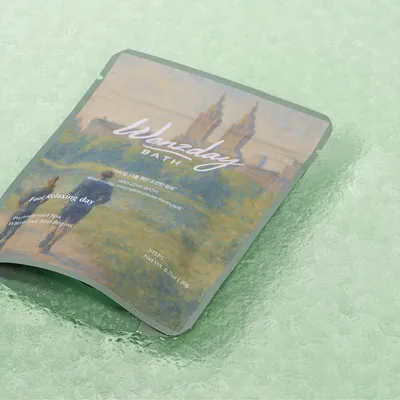
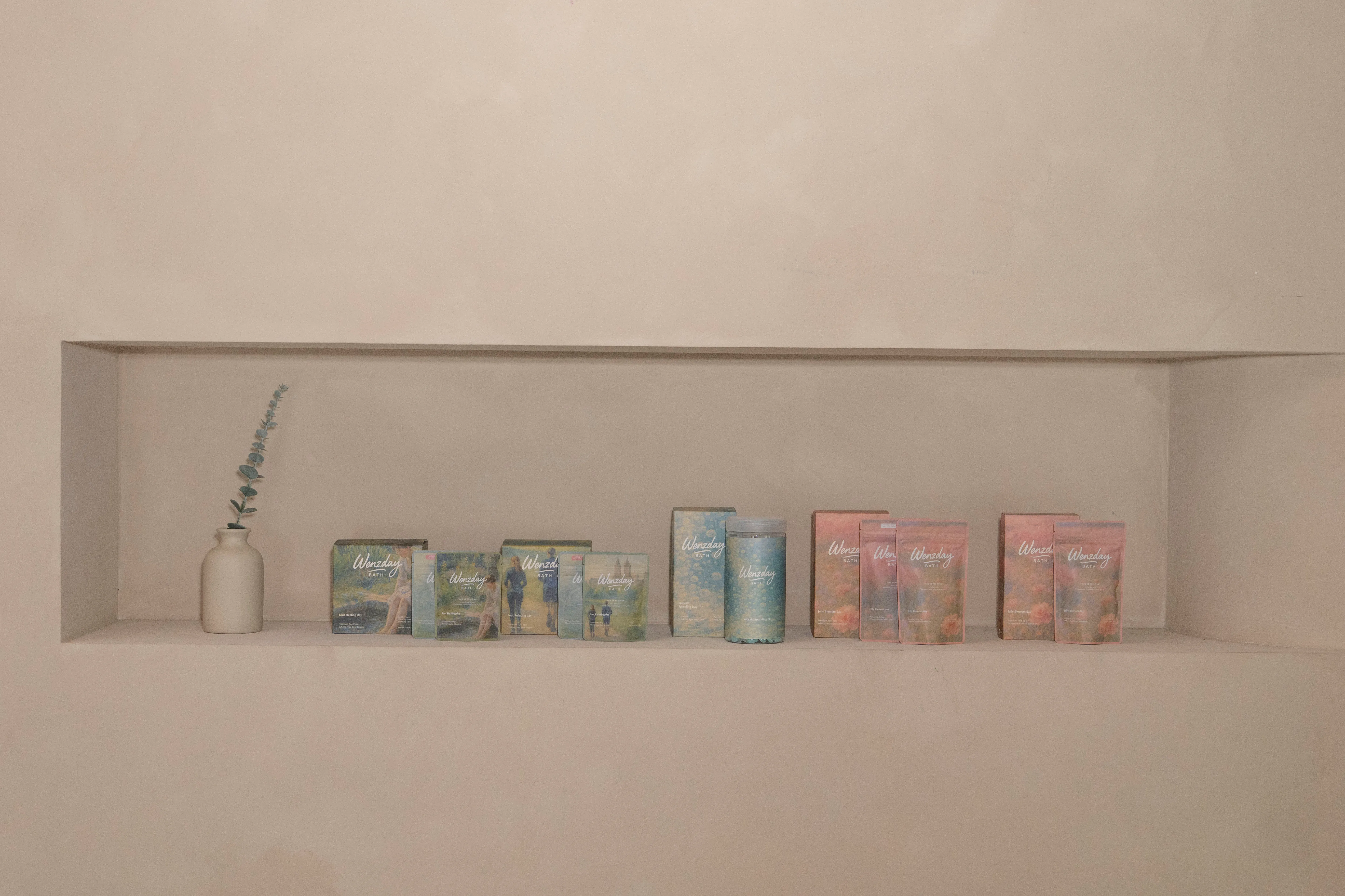
A warm soak sits at the front of that morning routine, as the warm-up that gets a stiff foot ready to stretch. The soak itself does nothing for plantar fasciitis. What it can do is hold gentle warmth around long enough to make a stiff foot easier to stretch, and for that, what matters is how long the warmth lasts. That is why Foot Relaxing Day and Foot Healing Day from OVER THE WENZDAY are made as a slush gel rather than plain water, so the warmth holds longer instead of fading in minutes. Foot Relaxing Day adds Epsom salt, and both carry sixteen Korean herbal extracts, including ginseng and cnidium, herbs with a long history in traditional foot soaks.
A warmer fifteen minutes
Ice or heat was never really an either/or. It is a question of reading your foot on the day. And if you choose warmth, make it last long enough to count.
For anyone who dreads that first step out of bed, a warm fifteen minutes before you stand can make the start of the day a little less sharp.
For more on the herbs in OVER THE WENZDAY foot soaks, read Jangma: When Korea’s Long Rain Begins, Feet Notice First, In Korea, “Athlete’s Foot” Peaks in the Search Bar Every June, and From Face to Feet: Why Heartleaf Shows Up in Foot Soaks.