The shoes that fit this morning
The shoes that slipped on easily this morning press against the top of your foot by evening. You peel off your socks and the band has left a deep groove around your ankle that sits there, slow to fade. In summer, a lot of people end up typing the same thing into a search bar: why do my feet swell in the heat.
You did not stand more than usual or eat anything especially salty. When feet get heavy in hot weather, it is less a personal failing than a predictable response to the heat itself. It even has a clinical name.
Heat edema, and why the body does this
Doctors call it heat edema: mild, gravity-dependent swelling of the feet, ankles, and sometimes the hands during the first days of exposure to hot weather. It is usually harmless and settles as your body adjusts to the heat over a week or two, which is why it often shows up in early summer or after arriving somewhere hot.
The mechanism is straightforward. To shed heat, your body widens the blood vessels near the skin, a process called vasodilation. Wider vessels mean blood lingers longer in the veins of your legs, pressure rises, and some fluid seeps out into the surrounding tissue. Gravity pulls that fluid to the lowest point, which is why it collects around your ankles rather than your face. Salt and fluid that the body holds onto in the heat add to it.
Your calf is the pump that stalls
There is a second half to the story. When you walk, your calf muscles squeeze and release with each step and push the pooled blood back up toward your heart, working against gravity. The calf muscle pump does so much of this job that it is often called your second heart.
In summer that pump tends to go quiet. Heat makes you move less, and long stretches of sitting or standing still leave the pump idle while fluid keeps settling. That is why swelling follows a clock: fine in the morning, heavier through the afternoon, and worst by evening. The foot you take out of your shoe at night is not the foot you put in at dawn.
What actually brings the swelling down
Here it helps to be honest about what does the heavy lifting. The measures that authorities point to first for this kind of swelling are simple and free.
The most effective one is elevation. Lie down and raise your legs a little above the level of your heart, and the fluid that pooled all day drains back with gravity now on your side. Even ten or fifteen minutes with your feet up makes a difference. The second is movement: a short walk, or flexing your ankles up and down, wakes the calf pump and gets the pooled blood circulating again. If your legs swell often in the heat, graduated compression socks are worth asking a pharmacist or doctor about, since they support the veins from the outside. Cutting back on very salty food and staying hydrated rounds it out.
Where the warm foot soak belongs
Notice what is not at the top of that list: a hot foot soak. It is worth saying plainly, because it is easy to assume warm water is the fix. Heat causes vasodilation, the very thing behind the swelling, so a very hot soak is not the tool that drains a swollen ankle. Elevation and movement are.
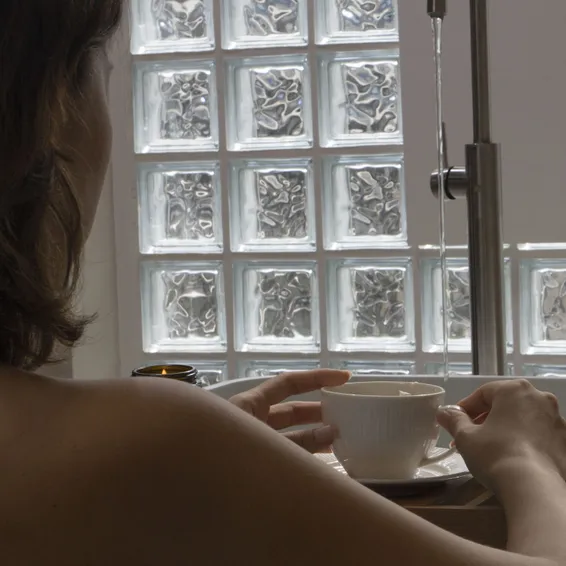
What a warm soak is genuinely good for is the other half of a tired-feet evening: unwinding. Warm water eases tense, stiff calf muscles and helps you settle before sleep, and that muscle release makes it easier for the pump to do its work once you get up and move. Pair it with your feet up afterward rather than treating it as the cure on its own. One honest caveat: if you already have a vein condition such as varicose veins, very hot water and hot-and-cold contrast baths can make swelling and aching worse, so keep the water only mildly warm and check with a clinician about what suits you.
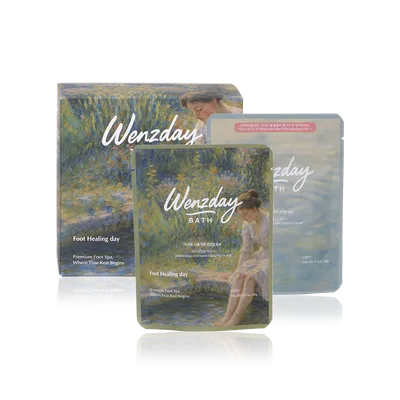
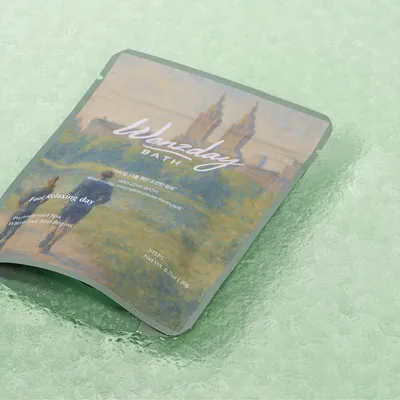
If you do soak, the warmth is only useful while it lasts. A basin of water sits exposed to the air and, depending on the room, can drift down toward body temperature within minutes, going lukewarm long before you are ready to stop. That is part of why Foot Healing Day and Foot Relaxing Day from OVER THE WENZDAY are made as a slush gel rather than plain water, so the warmth holds a while instead of fading fast. Both carry sixteen Korean herbal extracts, including ginseng, cnidium, and kudzu root, herbs with a long history in traditional foot soaks meant for tired legs.
When it is a doctor’s call, not a soak
Most summer swelling eases overnight once your feet are up. Some does not, and these signs mean you should see a doctor rather than reach for a basin.
- Swelling in one leg only that keeps getting worse, rather than both sides evenly.
- A calf that is suddenly swollen, painful, warm, or red. This can point to a blood clot and needs urgent care, especially if it comes with chest pain or shortness of breath.
- Swelling that is still there when you wake, with skin that turns thick and firm and does not pit when pressed.
- Swelling alongside weight gain, breathlessness, or changes in your urine, which can be a sign of a heart, kidney, or liver issue and should be checked by a physician first.
A foot soak cannot read these signals for you. Conditions like varicose veins or lymphedema tend to progress and are better caught early. Everything here is about the ordinary heavy-legged evening that a night’s rest resolves.
The end of a hot day
The swollen feet of a summer evening are, for most people, the price the body pays for cooling itself all day. It rarely calls for a prescription, just a little time to send back up what settled down.
Put your feet up, let a warm soak loosen the day out of your calves, and move a little before bed. The quiet fifteen minutes you give your feet at the end of a hot day is what makes the next morning start a little lighter.
For more on the herbs in OVER THE WENZDAY foot soaks, read Jangma: When Korea’s Long Rain Begins, Feet Notice First, Long-Haul Flight, Swollen Feet: A Quiet Recovery After You Land, and Ice or Heat for Plantar Fasciitis? It Depends on the Time of Day.