The knot that wakes you at 2 a.m.
Sleep is just deepening when your calf pulls into a hard knot. The pain snaps you awake and your toes curl down on their own. The muscle just sits there like a stone. A few seconds feel like minutes, and the ache can linger into the next day. It has a common nickname: a charley horse. On a hot summer night it seems to happen more often, and the first thing most of us do the next morning is go looking for a cure.
What a charley horse really is
A charley horse is a nocturnal leg cramp, a sudden involuntary contraction of the calf or foot muscle during the night. The first honest point: most of the time, no one can point to a single cause. Doctors call these cramps idiopathic, which is a polite way of saying the trigger is unclear. Mineral shifts, low body fluid, changes in nerves or metabolism, a day spent on your feet with the muscle held short, any of these may contribute, but the cramp rarely traces back to one clean reason.
That uncertainty is exactly why the internet fills the gap with confident fixes.
The folk-remedy shelf
Search “leg cramps at night” and a familiar shelf of remedies appears. They are not all equal, and one of them is unsafe.
Magnesium is the supplement most often blamed and most often bought. The evidence is weaker than its reputation. When researchers pooled the randomized trials, magnesium did no better than a placebo at reducing nocturnal cramps in the general adult population. There may be a small effect in pregnancy, and there are usually digestive side effects, but for most people a magnesium pill does not noticeably quiet night cramps. Magnesium still matters to the body. What runs ahead of the evidence is the leap of “cramp, therefore magnesium.”
Tonic water and quinine deserve a clear warning. Quinine was once prescribed for leg cramps, but the FDA has stated plainly that it is not safe or effective for this purpose. The risks are serious and include a dangerous drop in platelets, heart rhythm changes, and severe reactions, with deaths and kidney failure reported. Tonic water carries only a trace of quinine anyway, far too little to help, so this is one shelf item to put back down.
Pickle juice is the surprising one. In a small controlled study, a mouthful of pickle juice cut an induced cramp short by roughly forty-five seconds, from a little over two minutes down to about a minute and a half, compared with plain water. Stranger still, it worked far too fast to be about electrolytes reaching the muscle. Researchers think the sharp, sour taste triggers a reflex in the mouth and throat that calms the overfiring nerves behind the cramp. It is an interesting finding, though it was done in healthy volunteers with lab-induced cramps, not people woken at 2 a.m., so hold it lightly.
The bar of soap under the sheet is the pure old wives’ tale of the group. There is no mechanism and no evidence, just a habit passed along for generations. If it seems to work, it is doing the same thing a comforting bedtime ritual does.
What the evidence actually backs
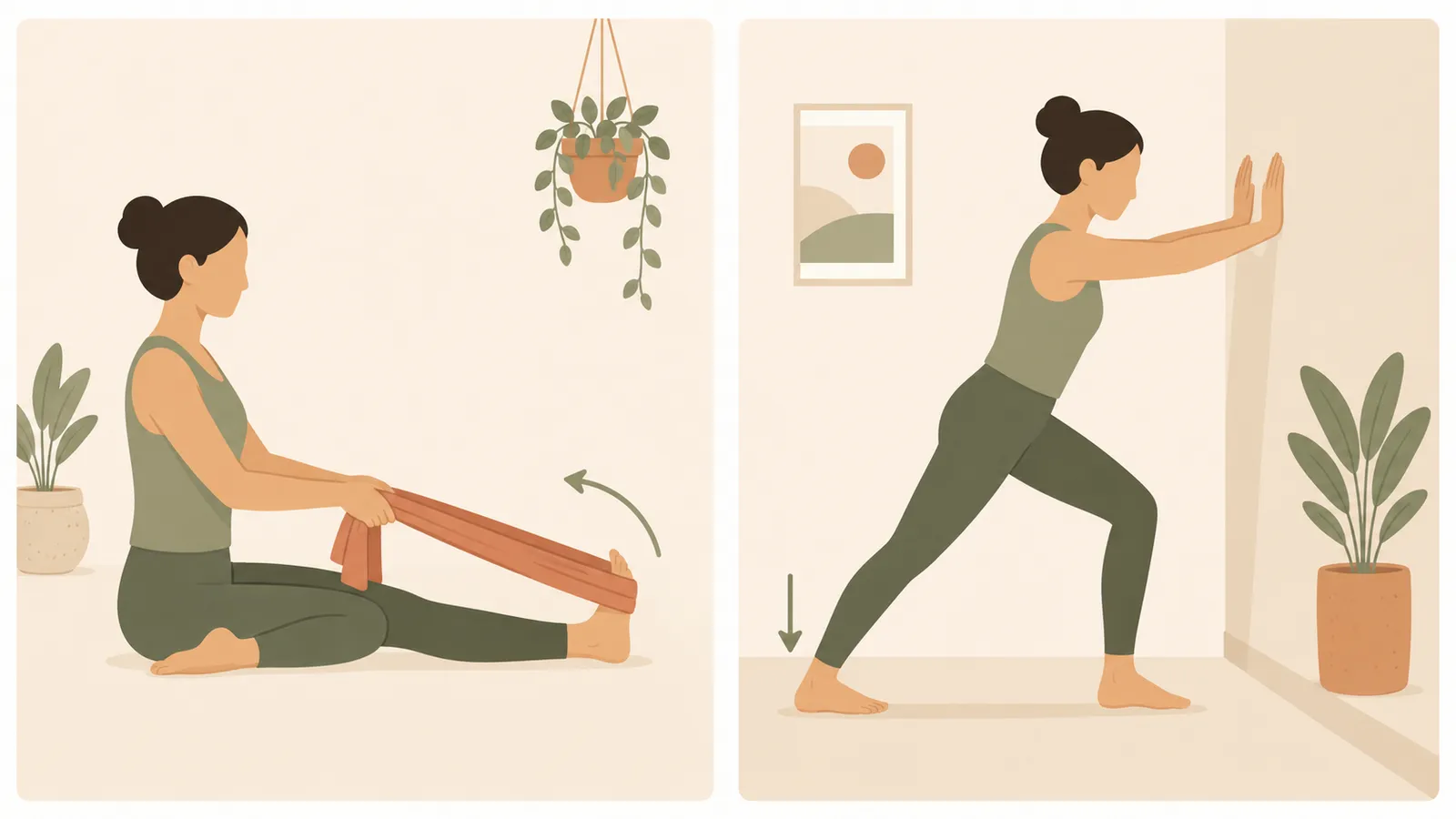
Left: when a cramp hits, keep the knee straight and gently pull your toes toward your shin, using a towel if you need to, until the calf lengthens. Right: before bed, step one leg back with the heel flat on the floor and lean toward a wall to loosen the calf in advance.
Set the folk shelf aside and what is left is plain. Plain is usually what works. When a cramp has already struck, the fastest way out is to lengthen the muscle, not knead it. Straighten your knee and slowly pull your toes back toward your shin until you feel the calf stretch. Looping a towel around the ball of your foot and drawing it toward you does the same thing. Stretching the seized muscle is the move clinicians reach for first.
Prevention has the same simple shape. A standing calf stretch against a wall, held for twenty to thirty seconds with the heel flat, is the routine with the best trial support so far for cutting how often night cramps come and how badly they bite. Add steady hydration through the day and you have covered most of what the evidence supports, without a single item from the folk shelf.
Where summer and a warm soak fit
Summer earns a footnote here, not the headline. Heat means you sweat out more water and salt, your drinking rhythm slips, and cool air on a bare calf overnight can leave the muscle a little more excitable. These are plausible contributors, not proven causes, so the summer answer is the same steady one: a bit more water in the day, and legs that do not get chilled all night.
A warm soak belongs in this picture as comfort, not cure. Warming the calf and feet before bed loosens muscle that tightened through the day. It will not abolish cramps, but a muscle eased ahead of time may seize less sharply while you sleep. Think of it as the wind-down layer on top of the two things that carry the weight, the stretch and the water.
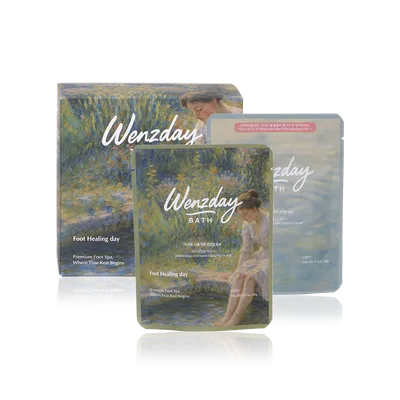
If you do soak, the warmth only helps while it lasts. A basin of water sits exposed to the air and, depending on the room, drifts toward lukewarm within minutes, long before muscle has really let go. That is part of why Foot Relaxing Day and Foot Healing Day from OVER THE WENZDAY are built as a slush gel rather than plain water, so the warmth holds a while and gives tight calves time to soften. Both carry sixteen Korean herbal extracts, including ginseng, cnidium, and kudzu root, herbs with a long history in foot soaks meant for tired legs.
When it is a doctor’s call
A night cramp usually passes with one good stretch, but not always. See a doctor rather than reach for a home fix if any of the following fits.
- One calf that is swollen, painful, warm, or red on its own. This can point to a blood clot and needs urgent care, especially with chest pain or breathlessness.
- Cramps that come with varicose veins night after night, since a vein problem may be tangled up in them.
- Cramps frequent or severe enough to ruin your sleep, or legs that feel weak and numb during the day.
- A sharp rise in cramps after starting a new medicine such as a diuretic, some blood pressure drugs, or a statin. Ask the prescriber whether the drug is playing a part.
A warm soak cannot read these signals for you. Everything here is about the ordinary night cramp that a good stretch and a night’s rest resolve.
The end of a hot day
A charley horse at 2 a.m. seldom has a single cause, so a single fix seldom works. That is why the famous shelf mostly disappoints. The causes overlap, so the answer is a few small habits stacked together, not a single bottle.
Learn the stretch that lengthens a seizing calf and keep a little more water in your day. Loosen your legs before bed. Add a short warm soak to that last, quiet part of the evening, and your calves get a calmer place to rest through the night.
For more on the herbs in OVER THE WENZDAY foot soaks, read Why Your Feet Swell in Summer Heat, Long-Haul Flight, Swollen Feet: A Quiet Recovery After You Land, and It Is Not the Ingredient, It Is the Ritual.