Feet that take days to settle
An interview, a friend’s wedding, a full day in dress shoes or flats you don’t normally wear. By evening your feet hurt. The next morning they still hurt, and a few days can pass before it fades.
A lot of people ask whether a shoe really does stop hurting once it’s broken in, and how long that’s supposed to take. Some go looking for it because they’re on their feet in dress shoes ten hours a day and want to believe it gets better with time.
What recovery actually takes
Is it wrong to say feet adjust to a shoe? Not exactly. But if you picture that adjustment happening only while you’re wearing the shoe and walking in it, you’re only seeing half of it.
Load on a foot causes damage while it’s happening. What comes after is repair, and that repair is what makes the same load easier to handle the next time. The adjusting isn’t in the walking. It’s in what happens once the shoes are off.
There’s a human tendon study that tracked how fast the body builds new collagen after a bout of exercise load. Synthesis stayed elevated for close to three days, and soreness peaked around the day after.
That number doesn’t transfer cleanly to a foot. It comes from tendon, and the plantar fascia running along the sole isn’t a tendon. Both are collagen-dense connective tissue, which is where the resemblance ends, since the plantar fascia is closer to a broad, flat sheet than a rope-like structure. What does carry over is the general shape of it: a day isn’t enough time for this kind of tissue to finish repairing itself.
Daily wear doesn’t leave room for that recovery
If repair takes longer than a day and the shoes go back on every morning, the next load lands before the last round of repair has finished.
Keep that up and repair stops being able to keep pace with damage. There’s a name in sports medicine for what happens when repeated load outpaces the body’s capacity to keep up: overuse injury, which by definition means repair has fallen behind. Plantar fascia problems are usually described the same way, arriving gradually rather than suddenly, as fresh load keeps landing on tissue that hasn’t finished repairing from the last round.
How much of this actually happens to you depends heavily on how much you’re on your feet, how well the shoes fit, and how much load a given day adds up to. Some people wear the same pair daily without any trouble. Others hurt in a shoe that fits everyone else fine. A blister from breaking in a brand-new pair once is a different problem, caused by friction and pressure at a single spot, not the multi-day ache this is about.
People who ask about this online tend to blame themselves for not managing their feet well enough, sometimes calling it laziness. But if the job requires uncomfortable shoes every day, no amount of diligence buys back the recovery window that isn’t there. What’s missing is usually time, not effort.
Ways to make room for that time
The available options all come down to carving out a little of that time wherever you can. Three are worth naming here, and how well-supported each one is varies.
Switching shoes partway through the day. Changing into indoor shoes at a desk job is already common practice. What varies isn’t the method, it’s whether the job allows it at all. Anyone standing at a front-facing role, or working under a dress code, may not have this option to begin with.
Stretching the sole of the foot. Pulling the toes back toward you by hand until the sole feels taut, and holding it there, is the movement. In a trial that compared this against calf stretching, the foot-specific stretch came out ahead. That trial ran on people with longstanding heel pain, so it’s not a clean generalization to everyday soreness, but it’s worth knowing about. Calf stretching gets its own coverage in a piece on nighttime leg cramps.
Insoles. In research on people who stand for long stretches at work, insoles shifted pressure away from the heel toward the middle of the foot and reduced reported discomfort and fatigue. The evidence specifically for plantar fascia problems is thinner.
That’s the confirmed range, and none of it fixes things in a day.
See a doctor rather than waiting this out if the pain is sharpest with your first steps in the morning, if only one foot is swollen or warm, if you notice numbness or reduced sensation, or if it isn’t easing after several days and walking is becoming difficult.
An evening window for the feet
There’s no real way to hand someone who wears dress shoes every day the several days of recovery this actually calls for. What’s left is however much evening you have at the end of the day.
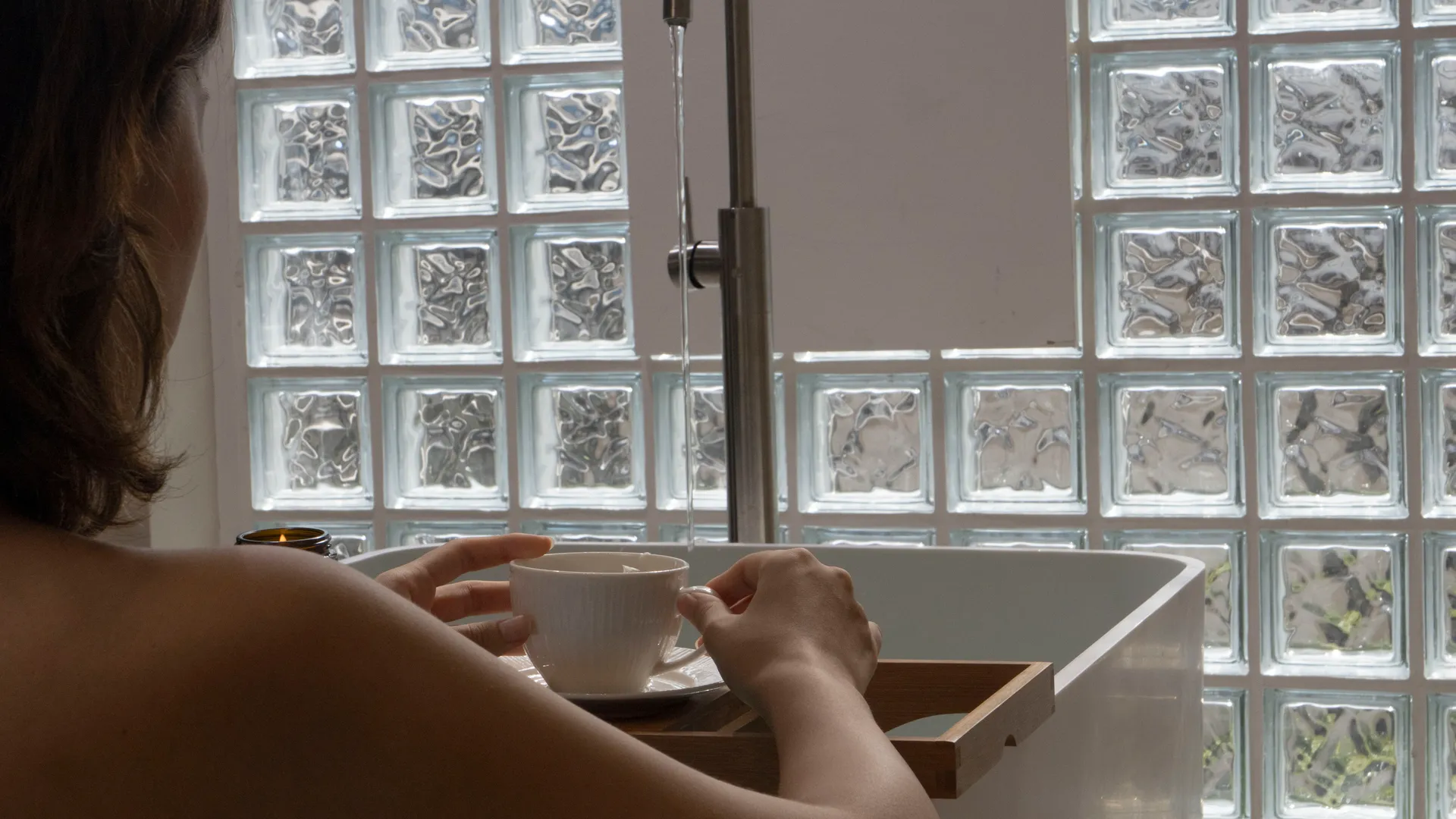
What goes in that window is simple: wash your feet, soak them briefly in warm water, and do the sole stretch described above while they’re warm. Dry them fully afterward, including between the toes.
The warm water itself doesn’t speed up repair. What it’s doing is different. A foot that’s been under pressure all day gets to sit down. And in that stretch of time, you’re more likely to actually do the stretching.
If you have diabetes, reduced sensation in your feet, or a vascular condition, a burn from water that’s too hot can go unnoticed until after the fact. Keep the water on the cooler side, and check with a clinician first if you can.
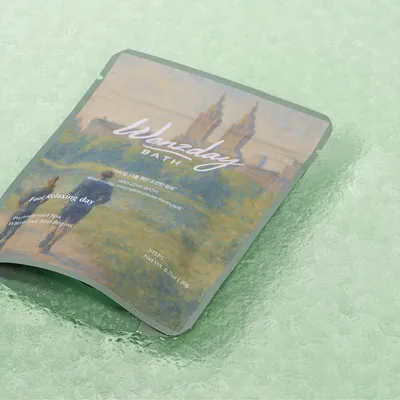
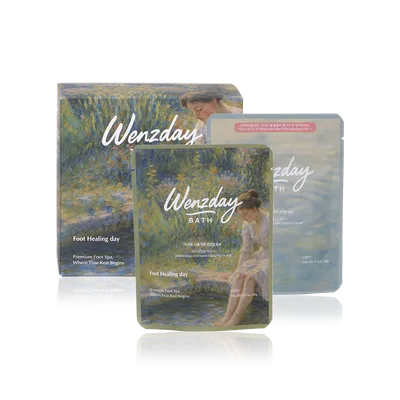
Over the Wenzday’s Foot Relaxing Day and Foot Healing Day are soak products made for that window.
It’s true that feet adjust to a shoe. It just doesn’t only happen while you’re wearing it. Let your feet rest in the evening so that recovery can actually happen.
More on foot pain: If Sandals Are Hurting Your Feet, Start Here, Plantar Fasciitis: Ice or Heat?, and Why Your Feet Swell Every Evening in Summer.